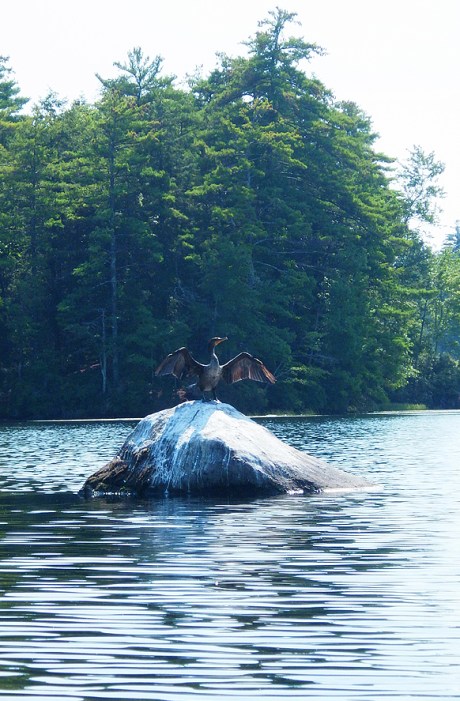
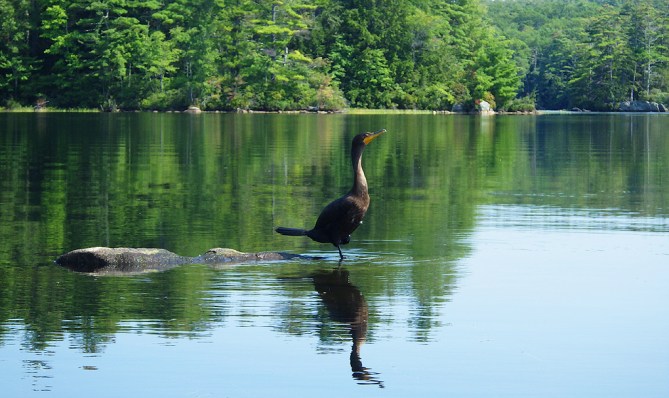
 The Double Crested Comorant
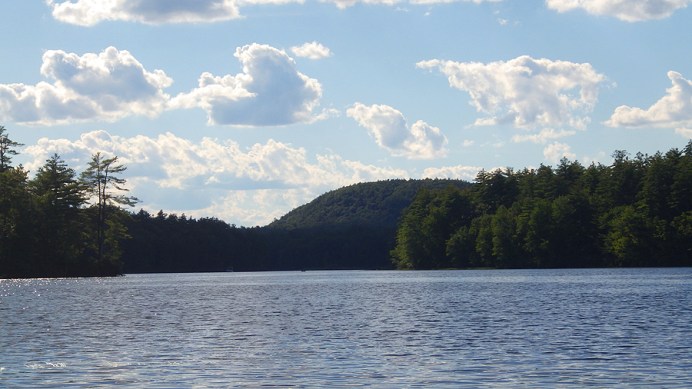 One of the summits from the ancient volcano.

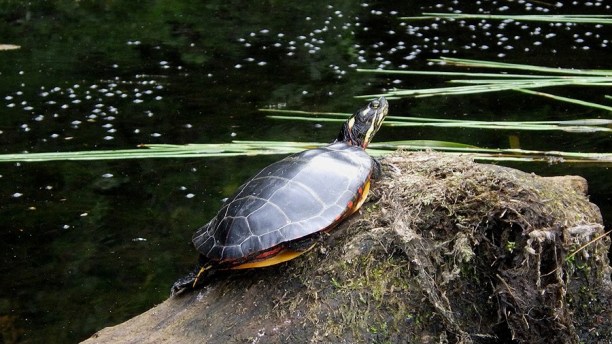
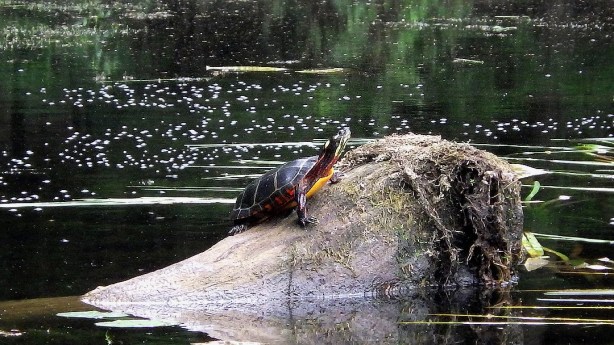 Eastern Painted Turtle
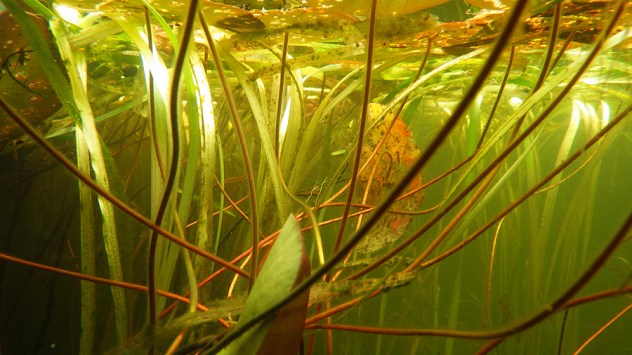
 Phylactolaemata

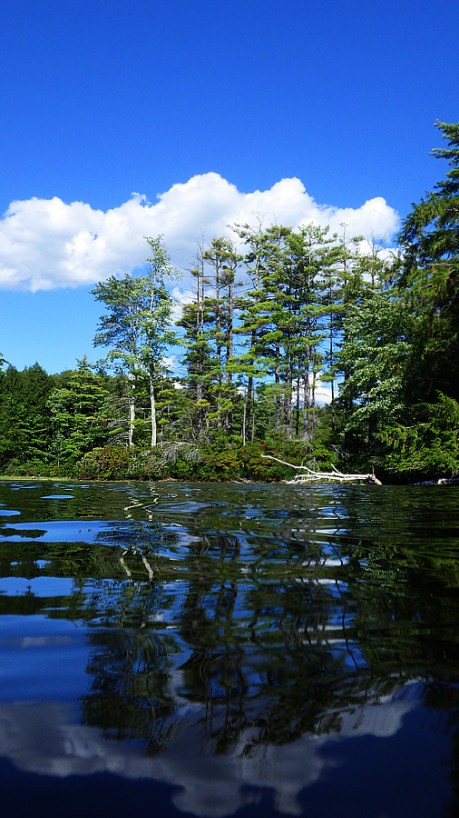
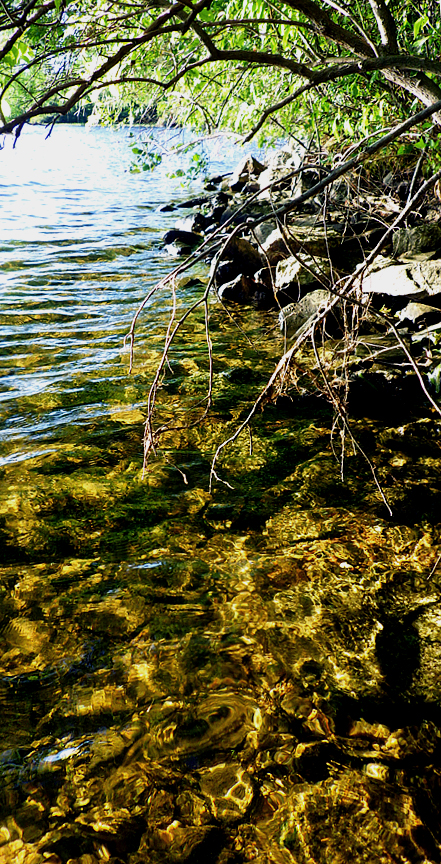
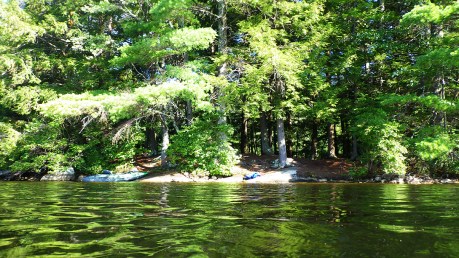
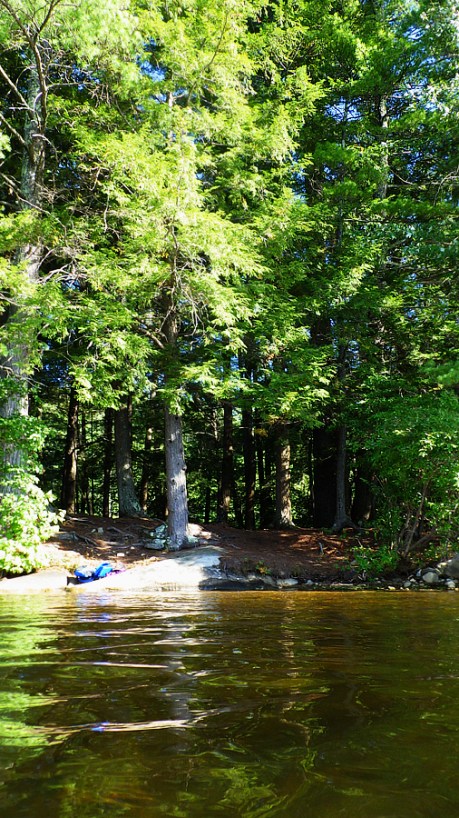 On the shore of Log Cabin Island, one of the many islands to rest and swim at.

The Double Crested Comorant
One of the summits from the ancient volcano.
Eastern Painted Turtle
Phylactolaemata
On the shore of Log Cabin Island, one of the many islands to rest and swim at.
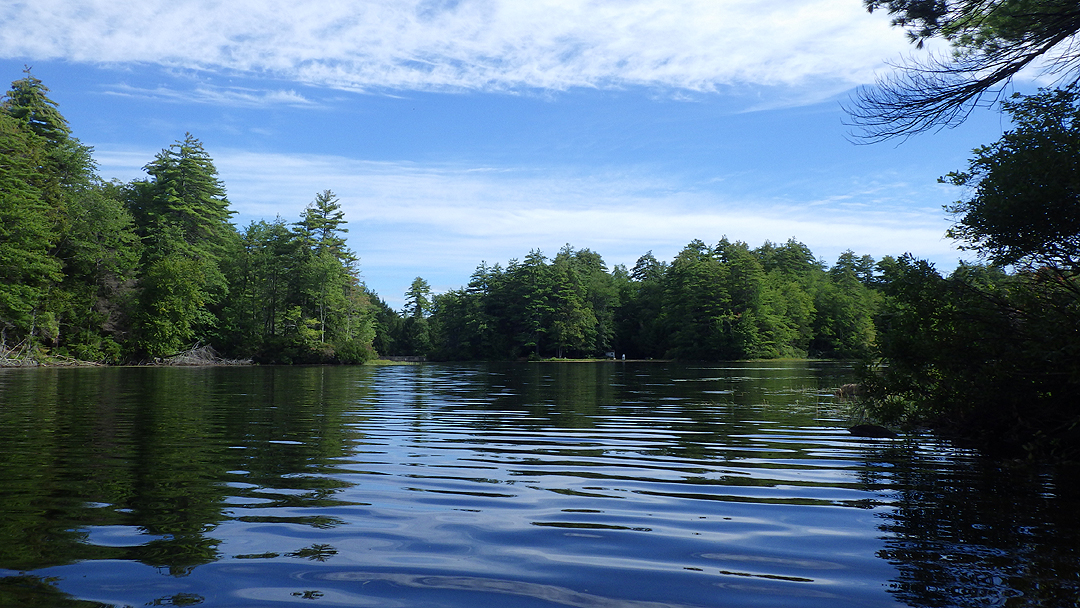
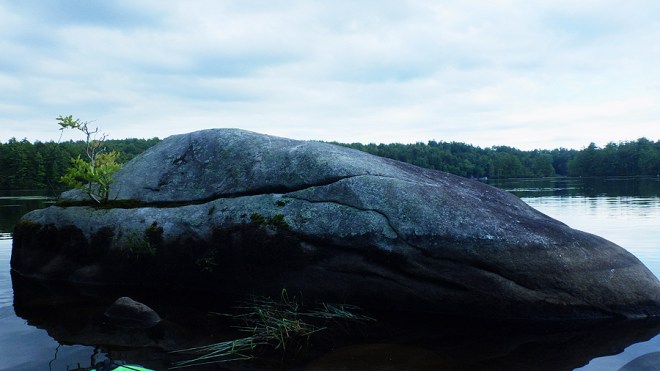
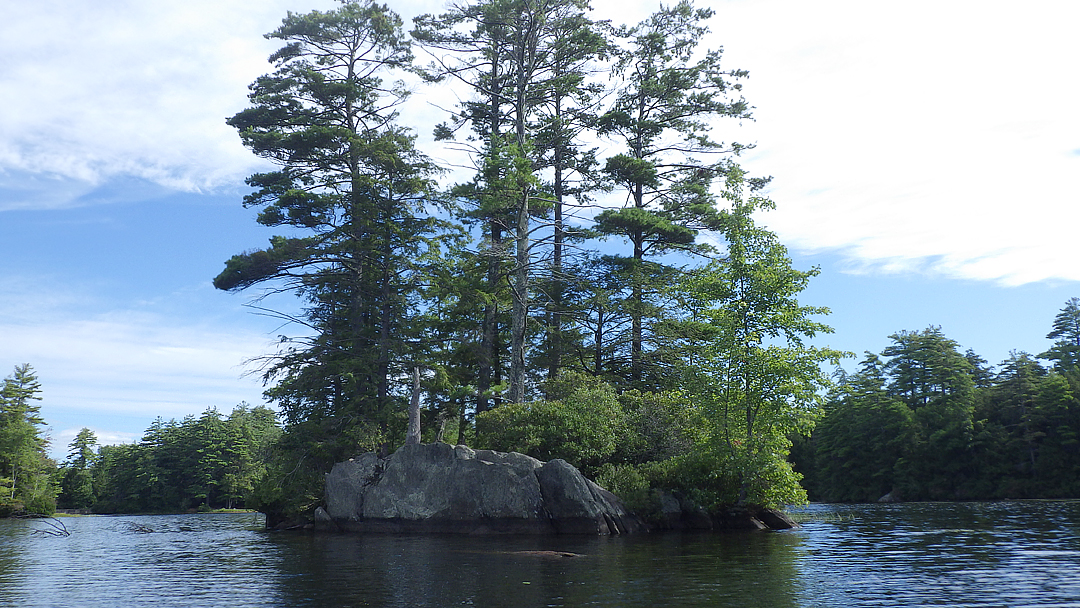 “Bird Island”, one of the many little islets in the lake.
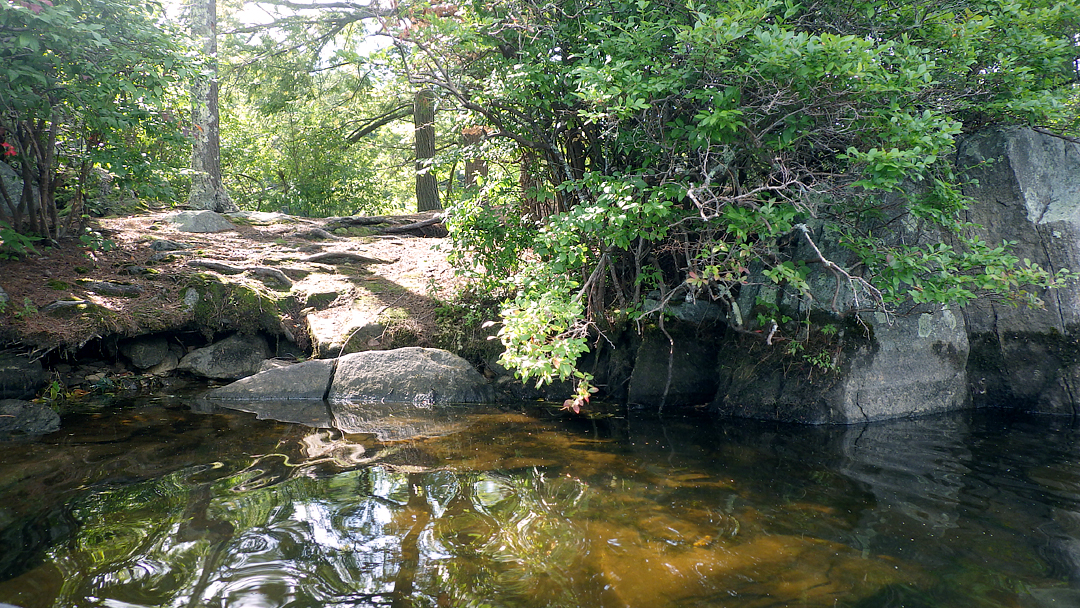
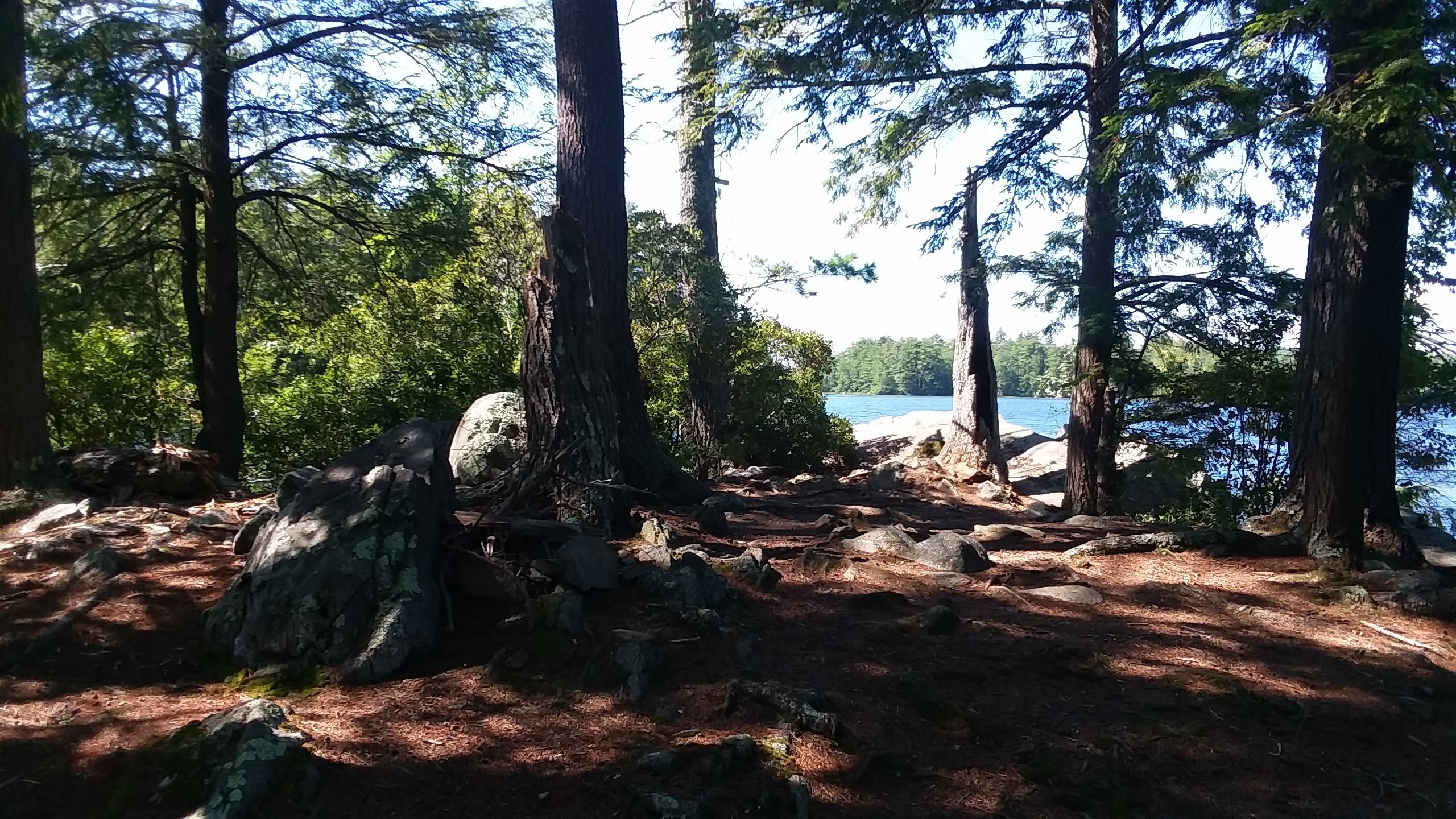


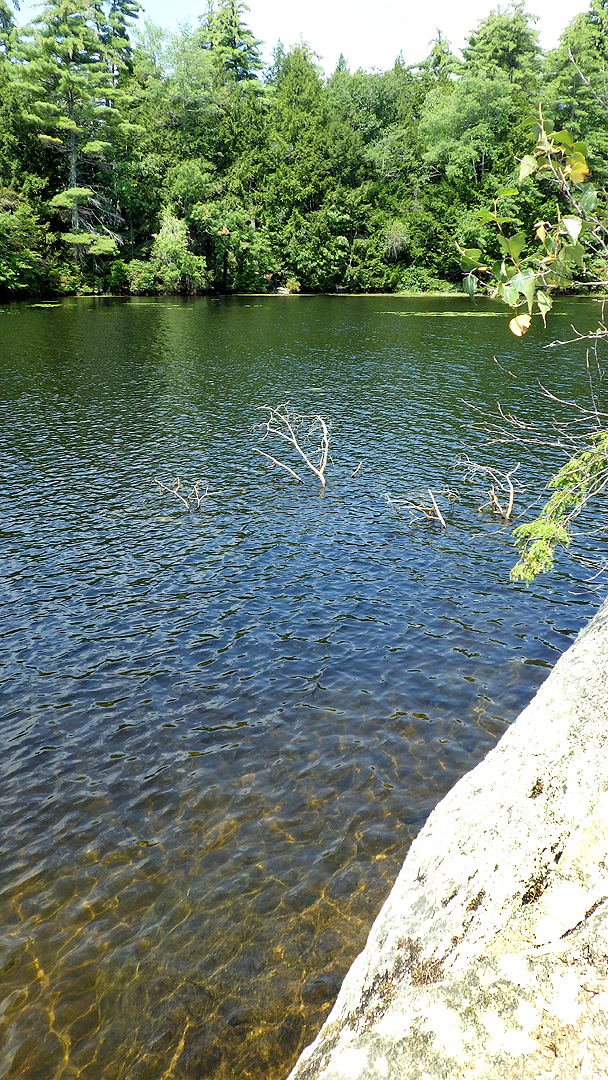
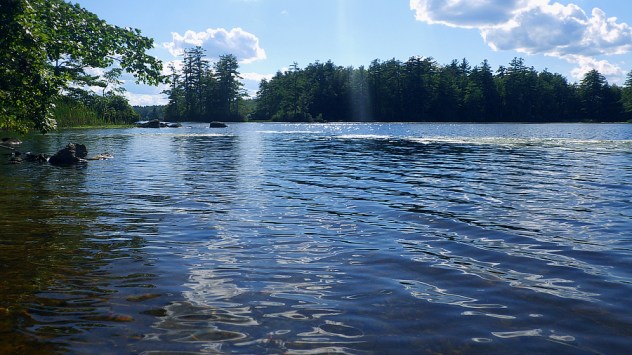
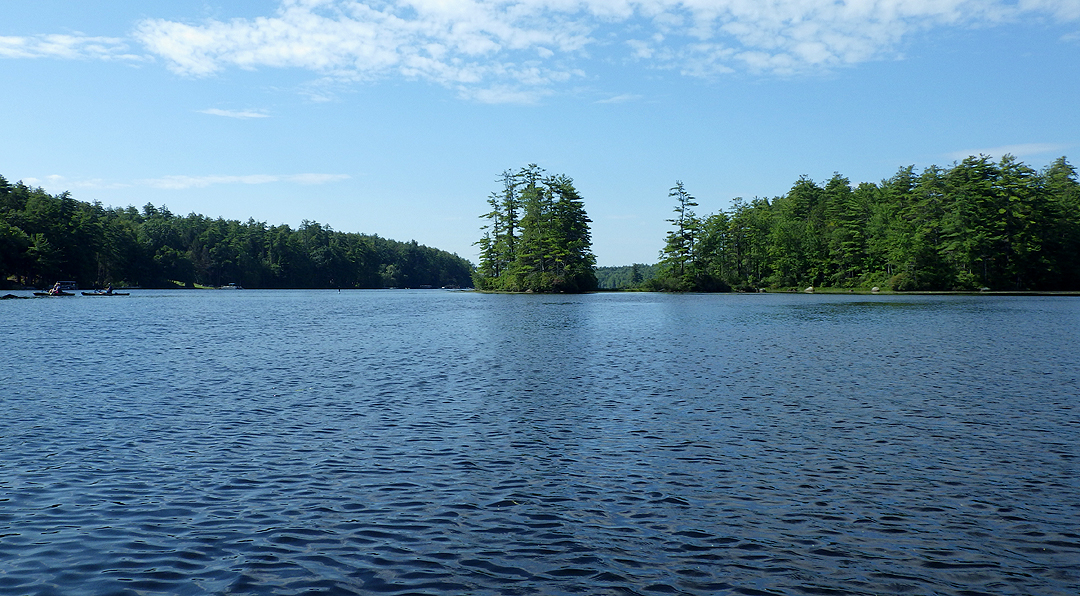 Looking down towards the other end of this long lake.


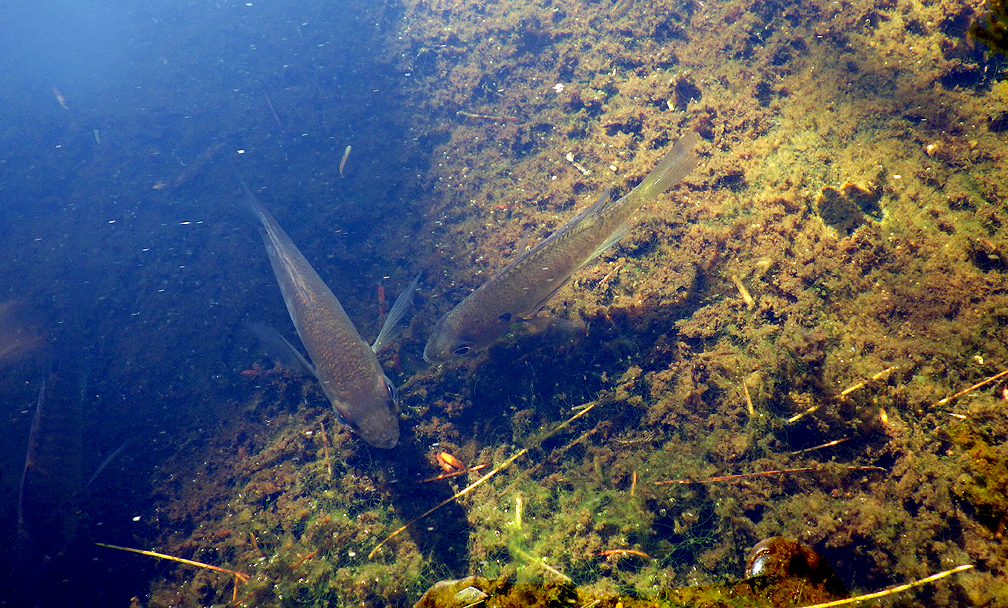
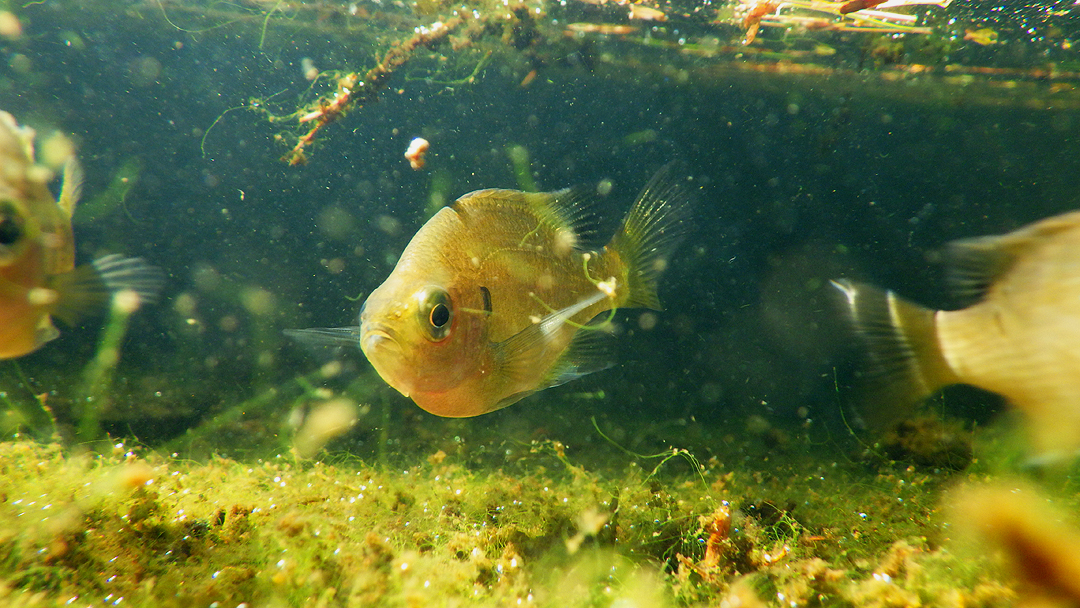
 Curious little fish in the shallows. (Banded Sunfish?)
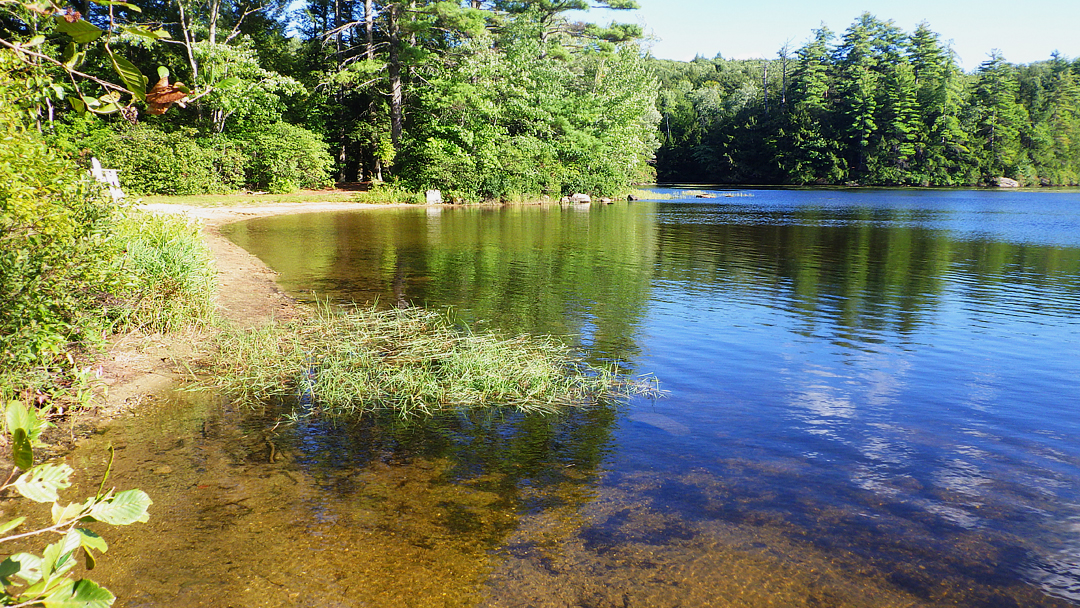 At one end of the lake is Nottingham Town Beach.
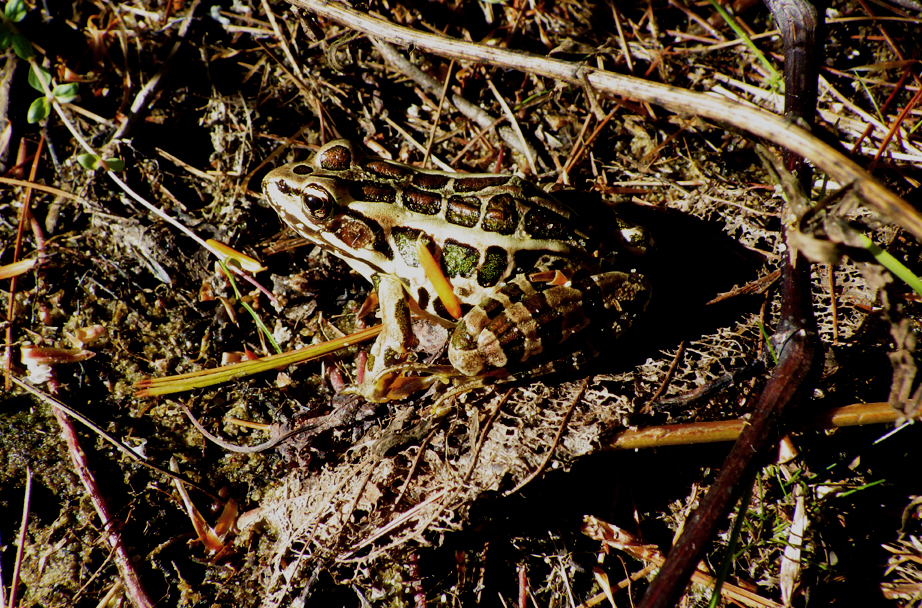 A well camouflaged Pickerel Frog on the banks.
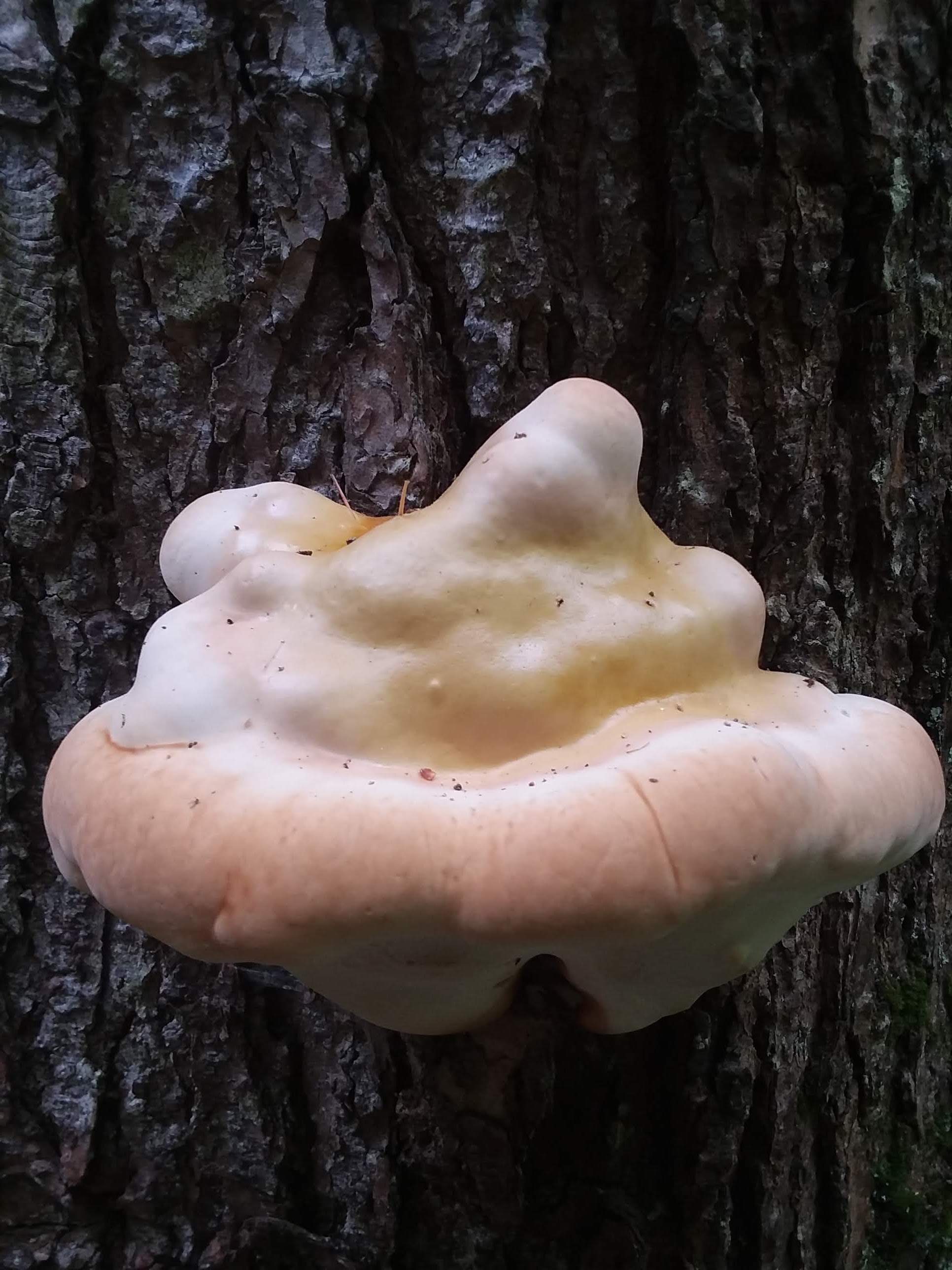 A young Ganoderma tsugae, Reishi mushroom.
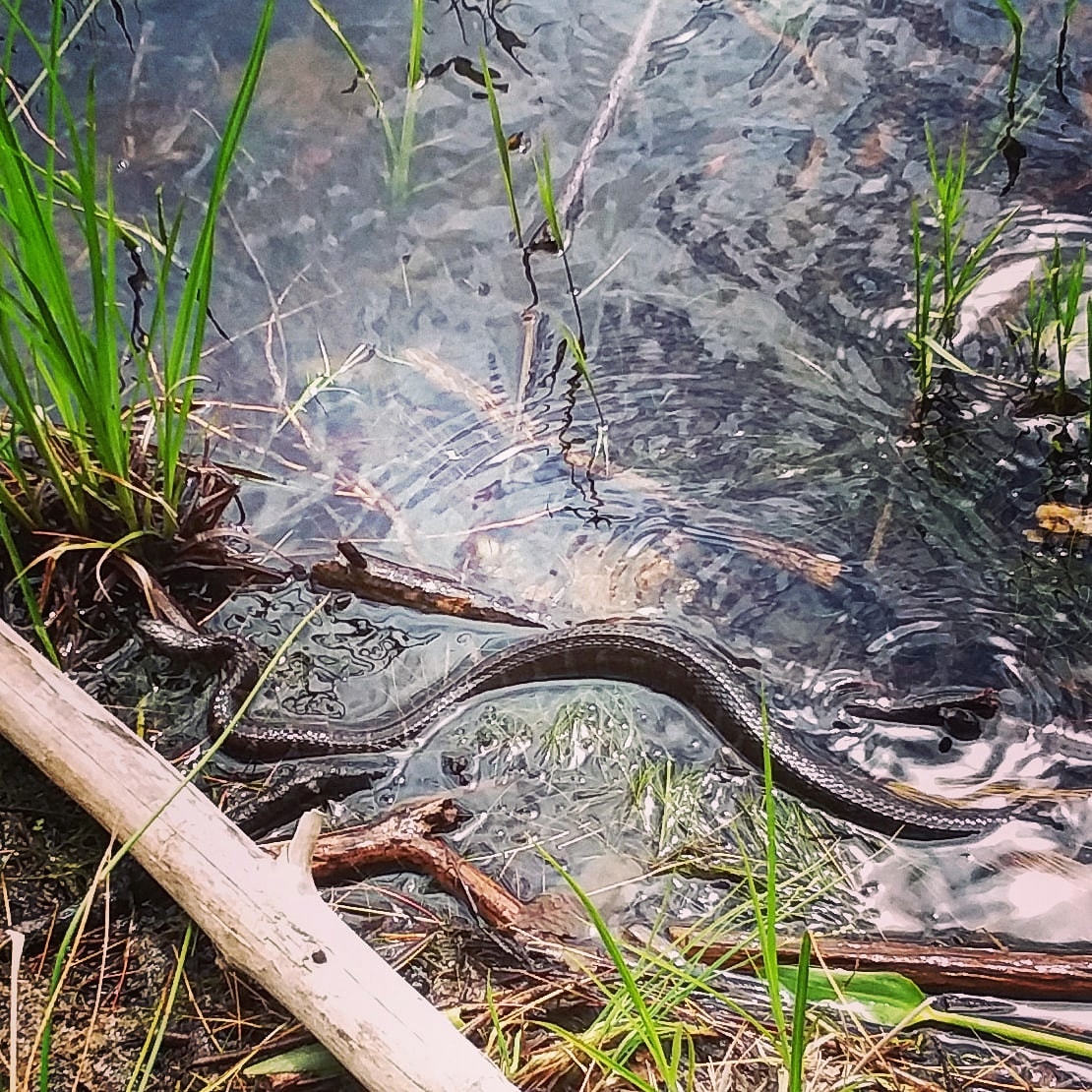 A shy cottonmouth, aka water moccasin.
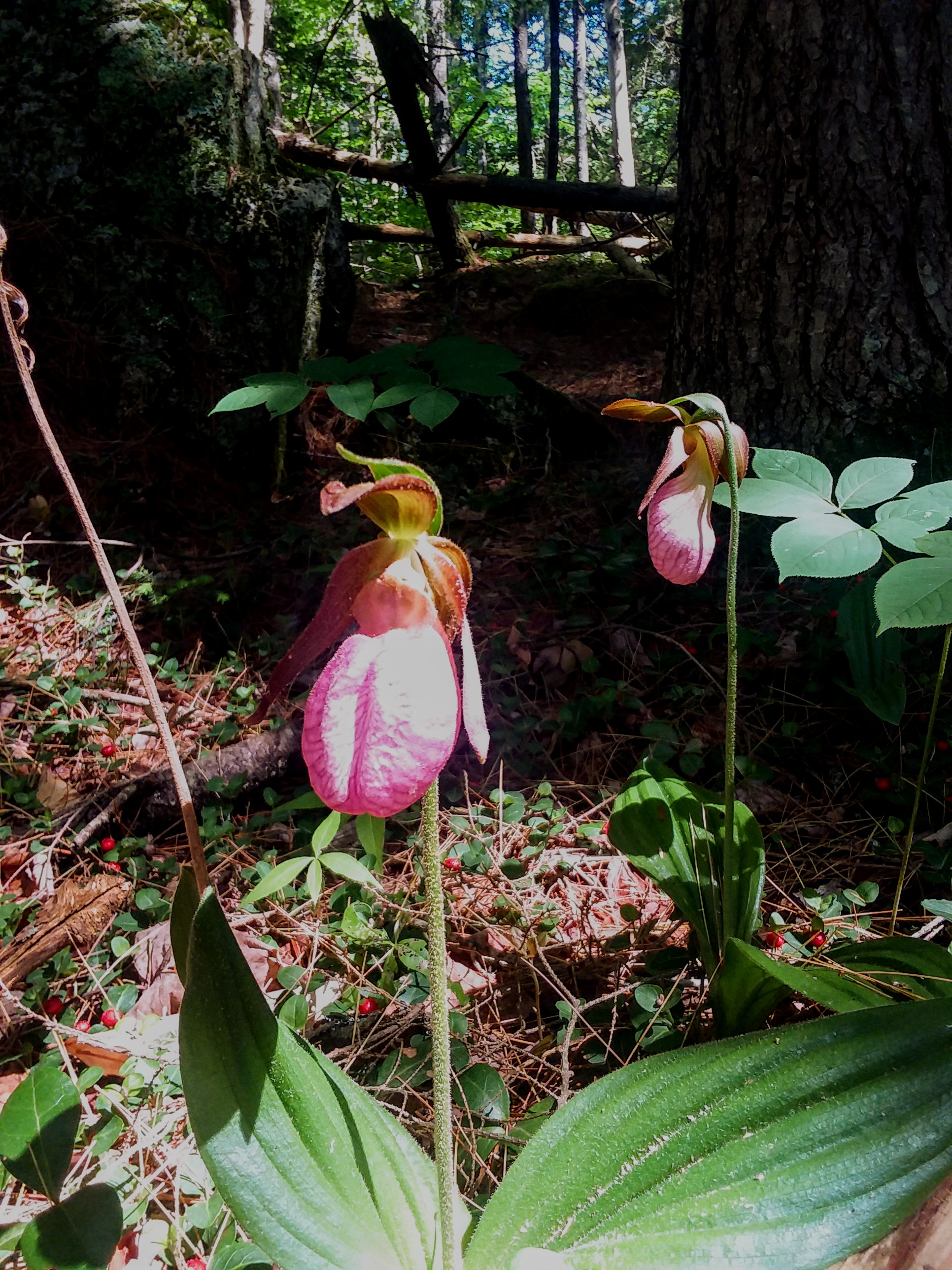 Wild terrestrial orchid, “Pink lady’s-slipper”
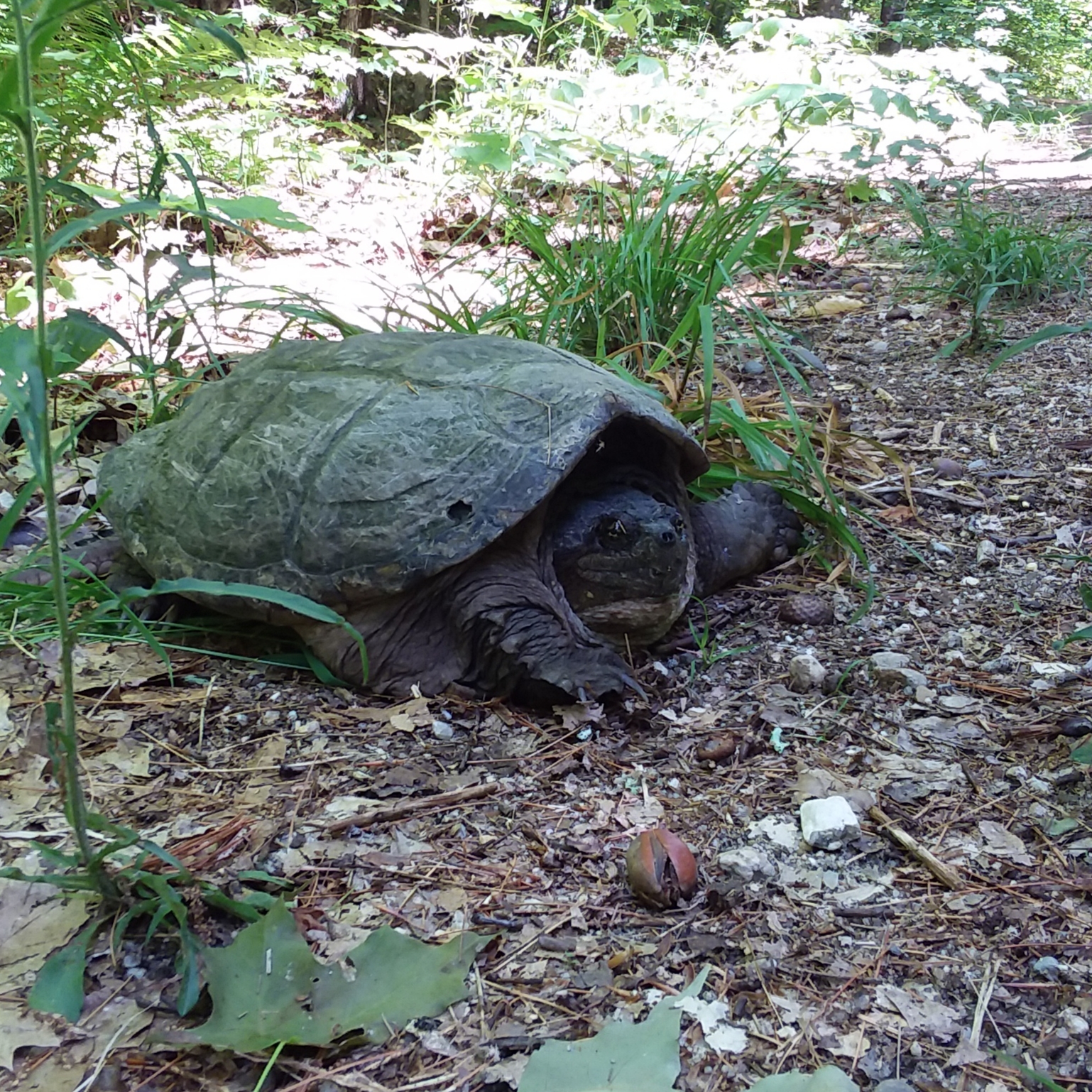 A Snapping turtle waiting to cross the path.
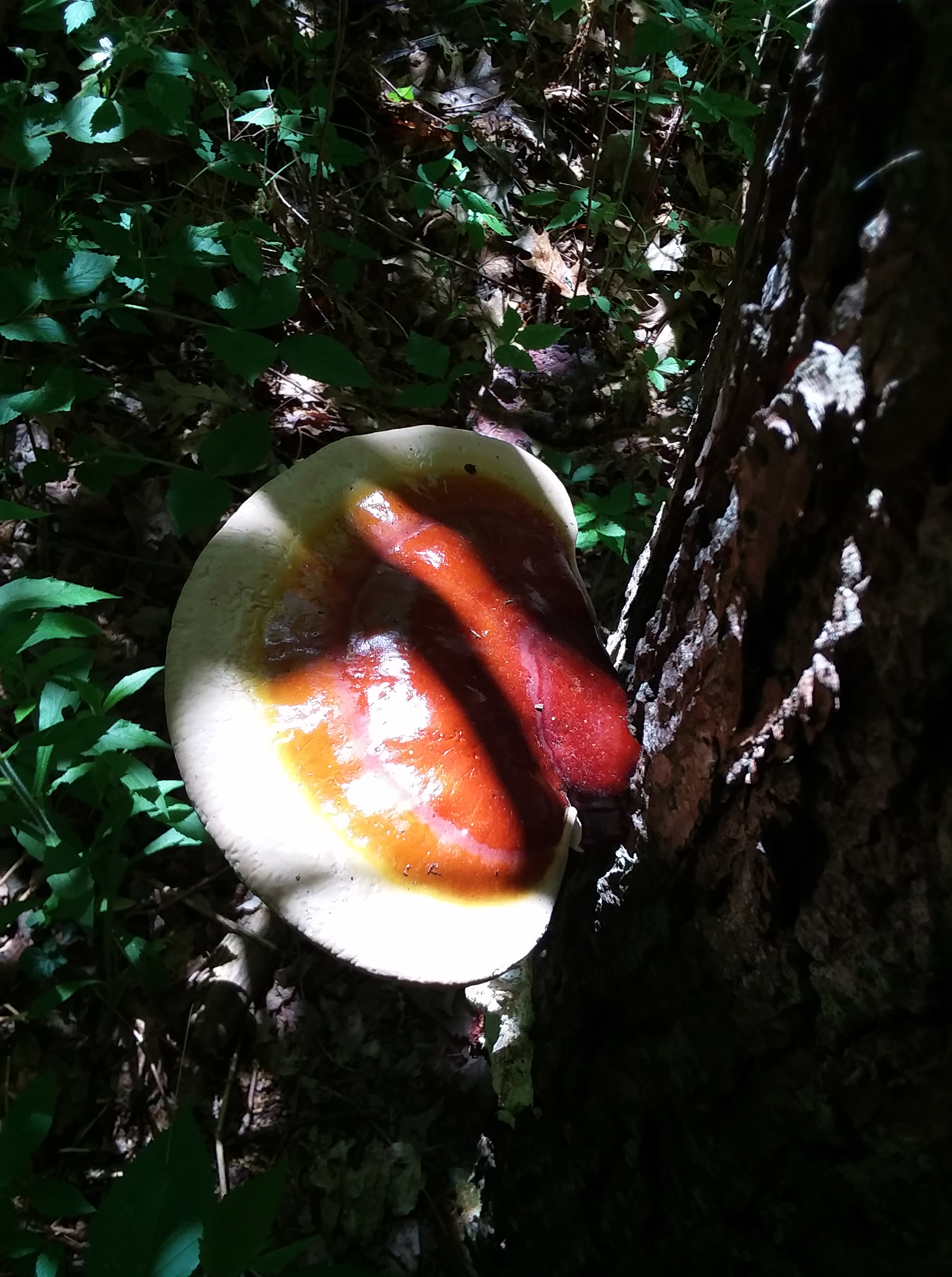 A maturing Reishi mushroom.
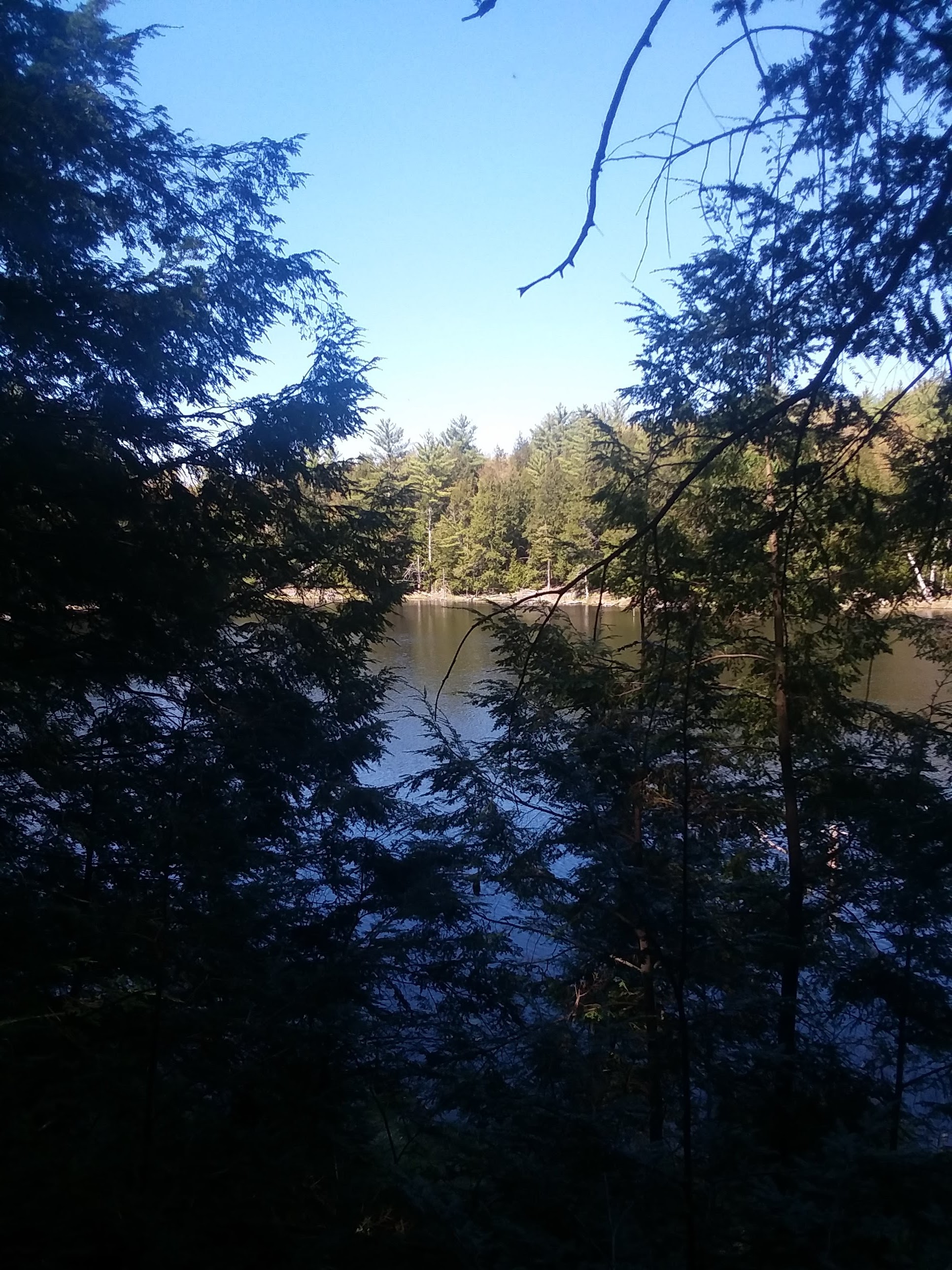
 Entrance to Demon Pond.
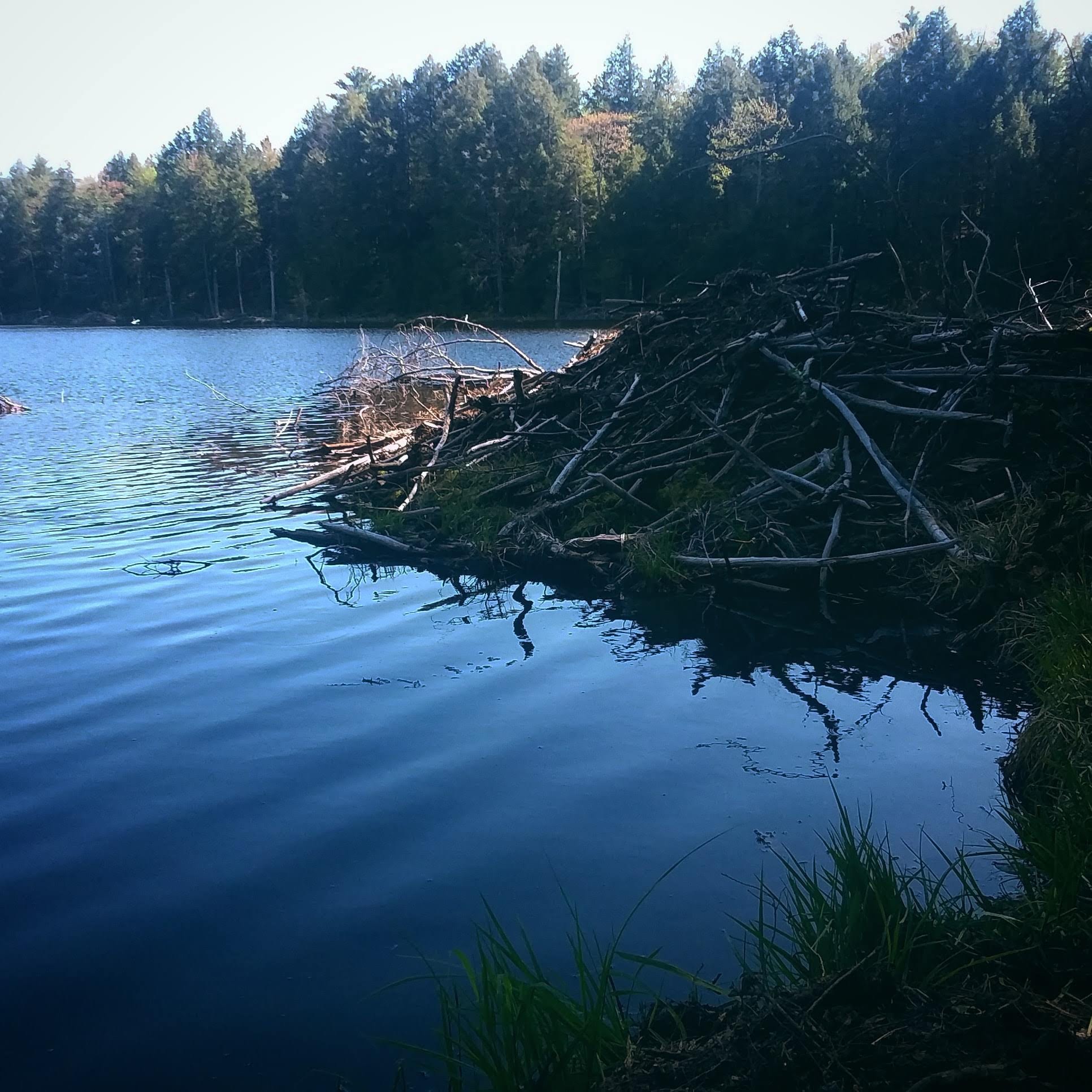 A beaver lodge.
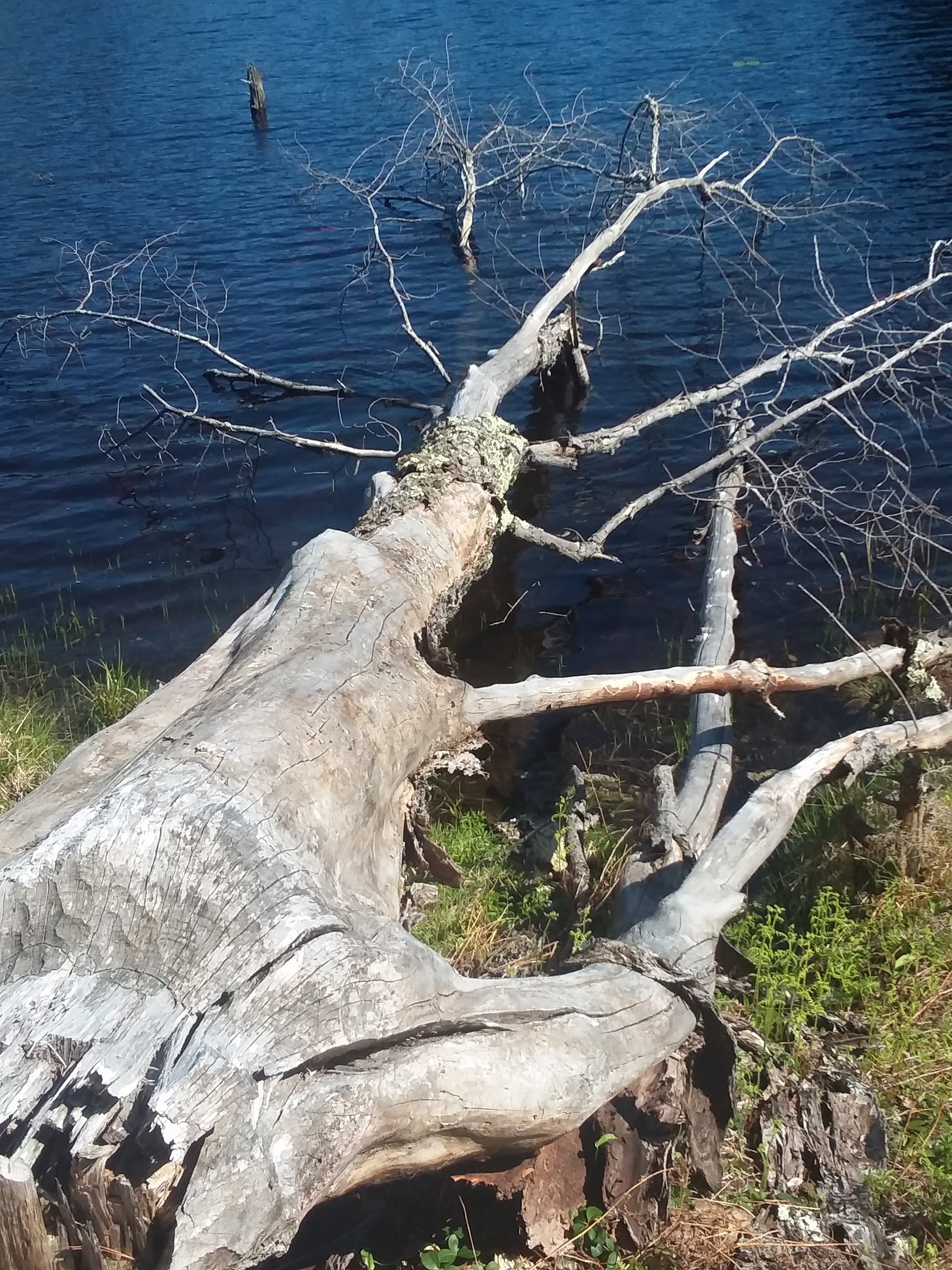

 This particular place had a nice feeling to it. The water level is above you as you walk past the beaver dam in the background, holding back Demon Pond.
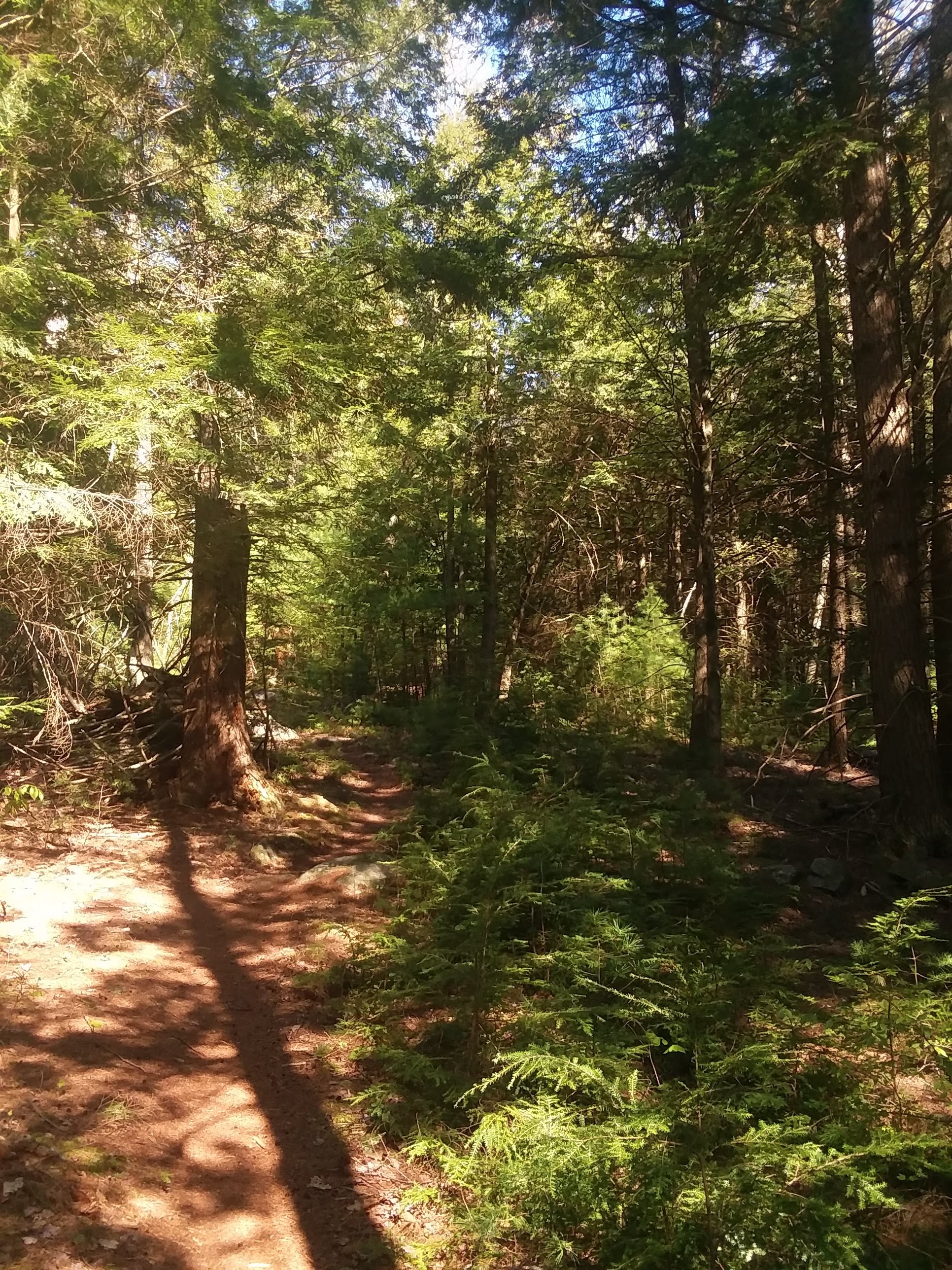


 Young Alder trees.


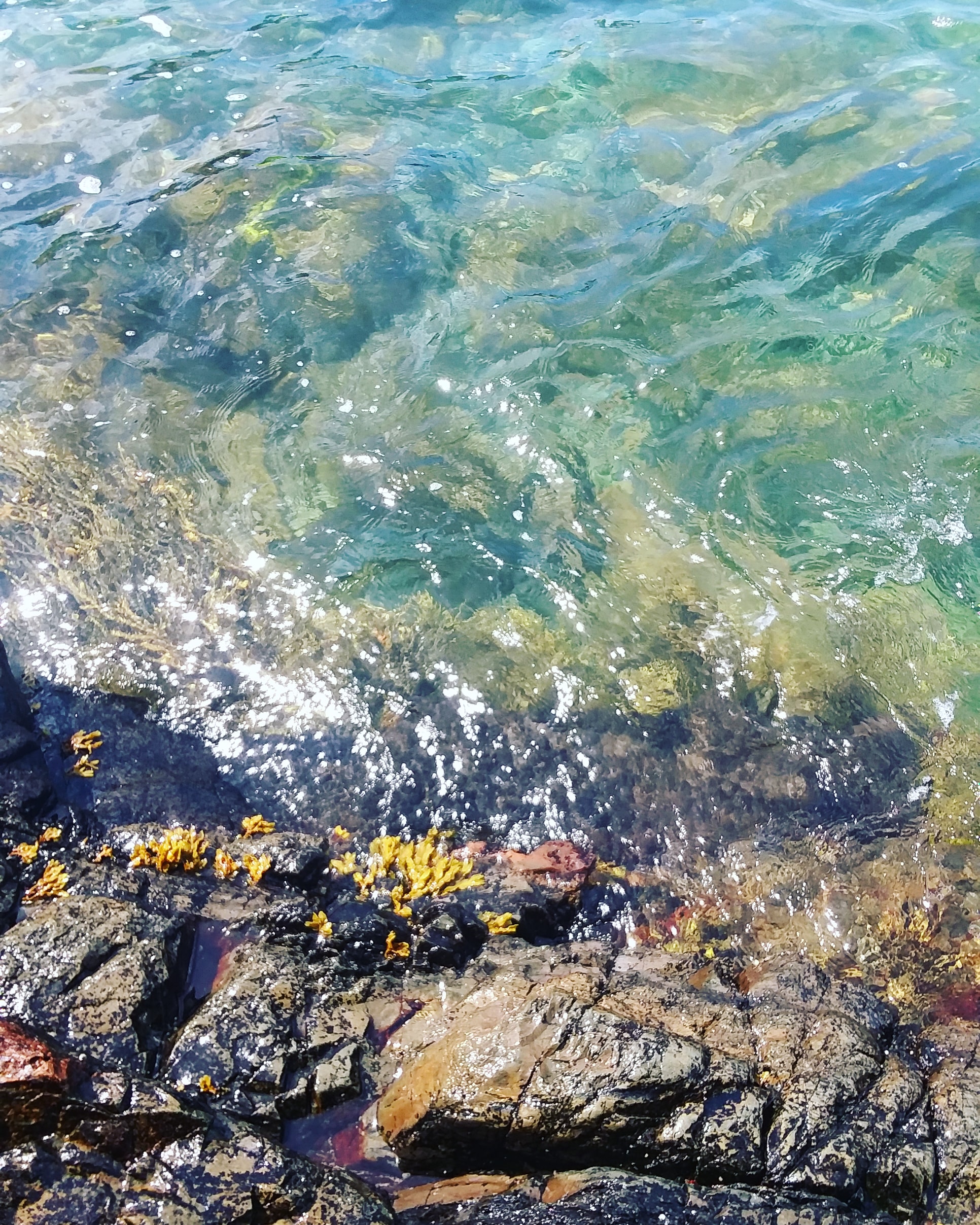
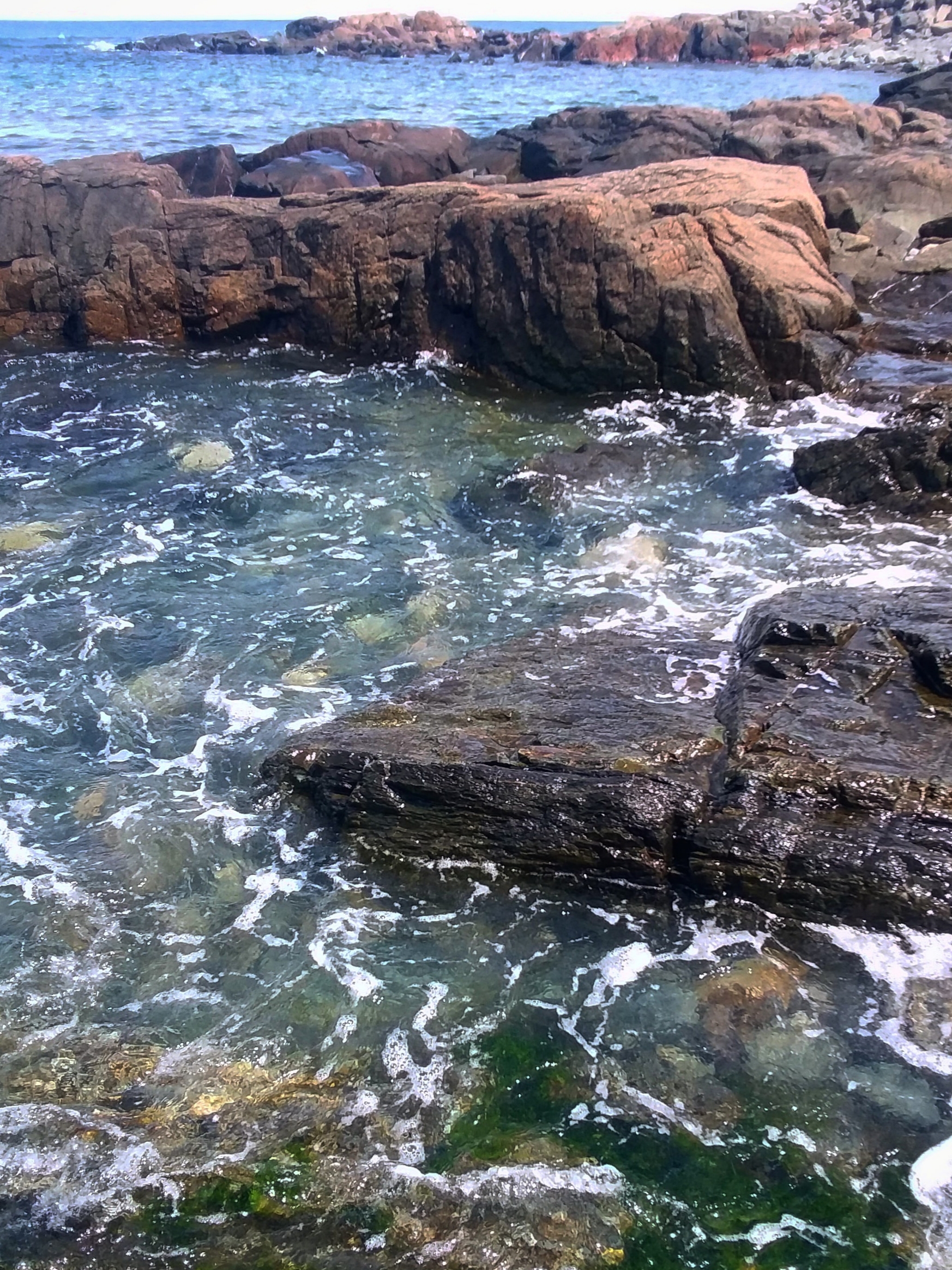

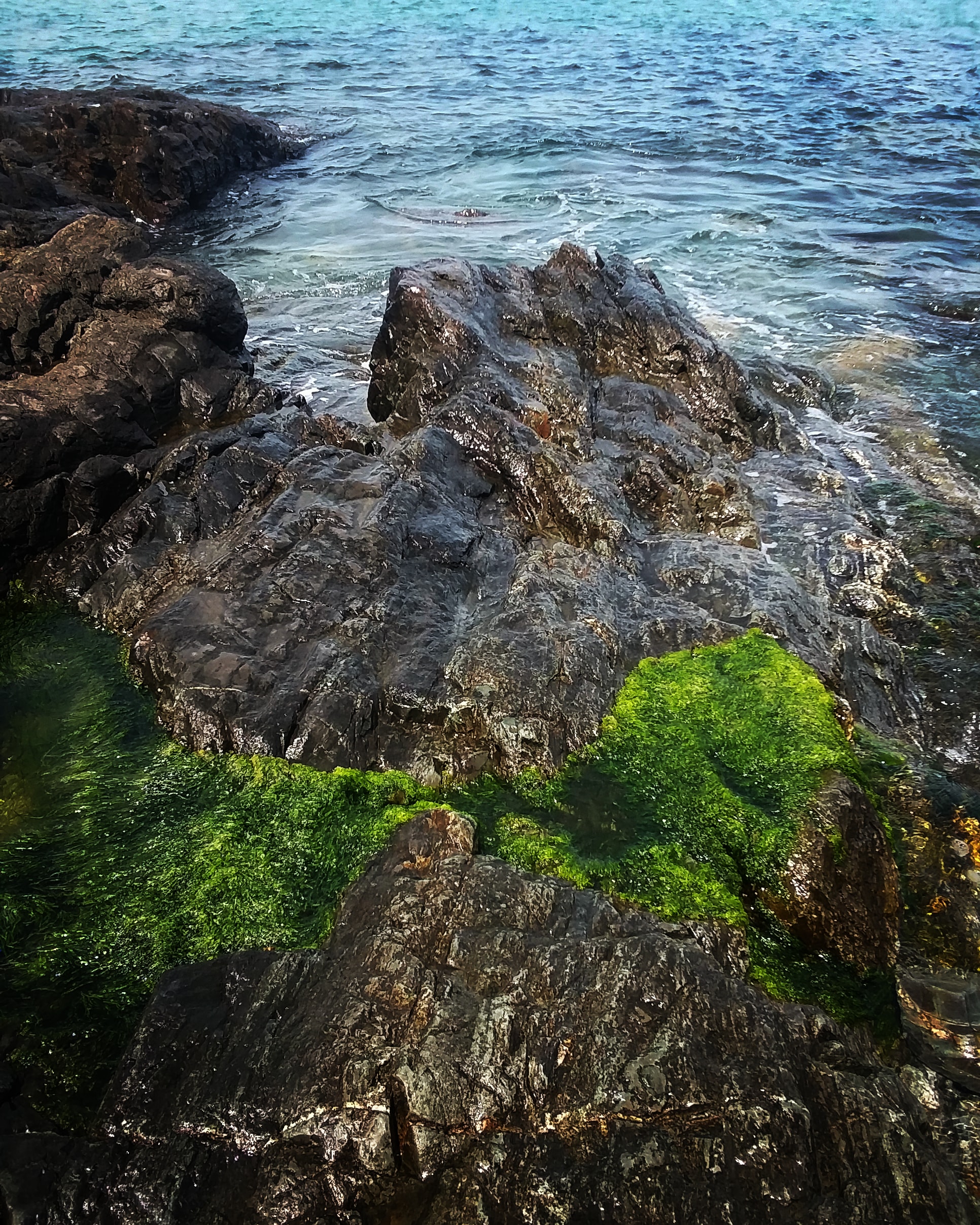
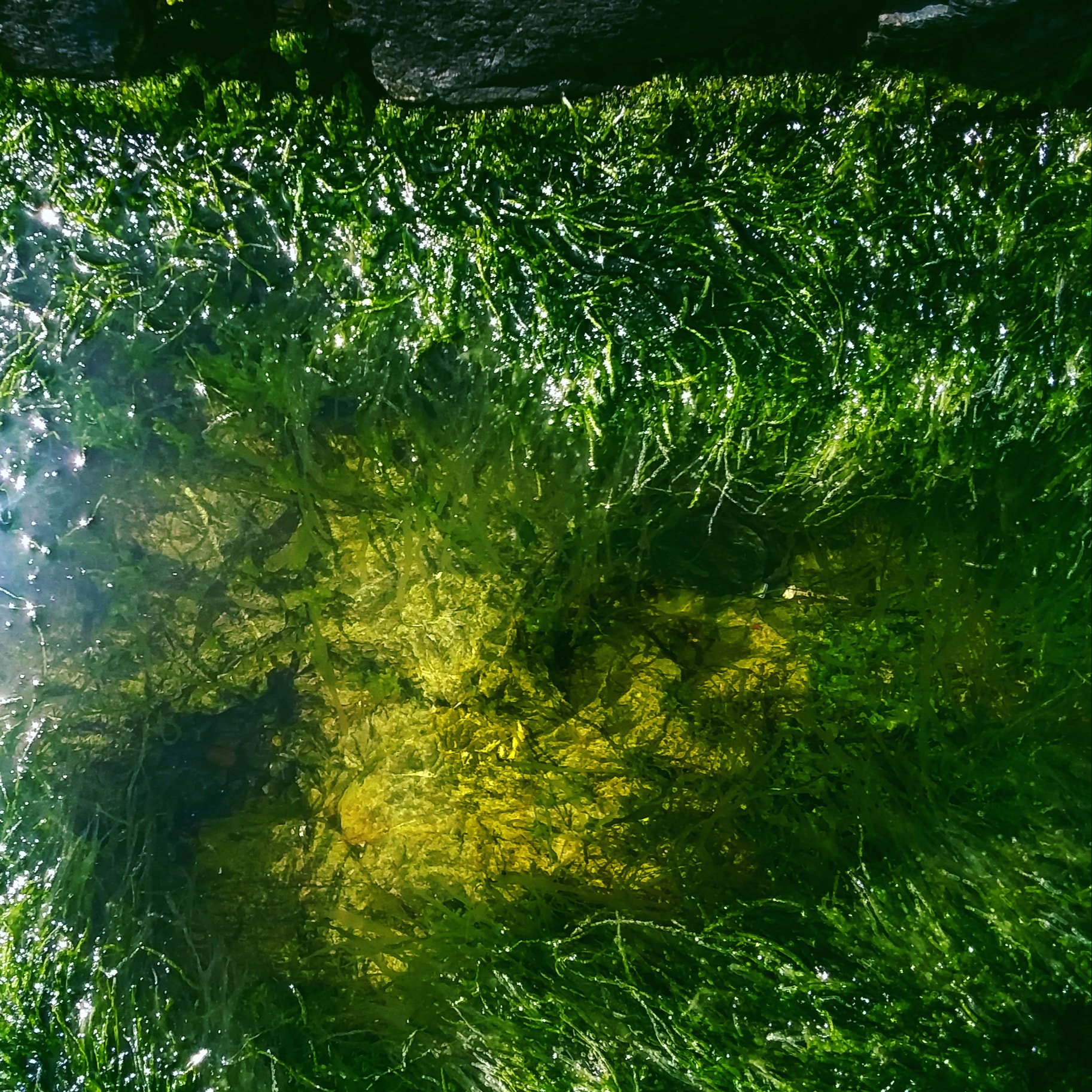

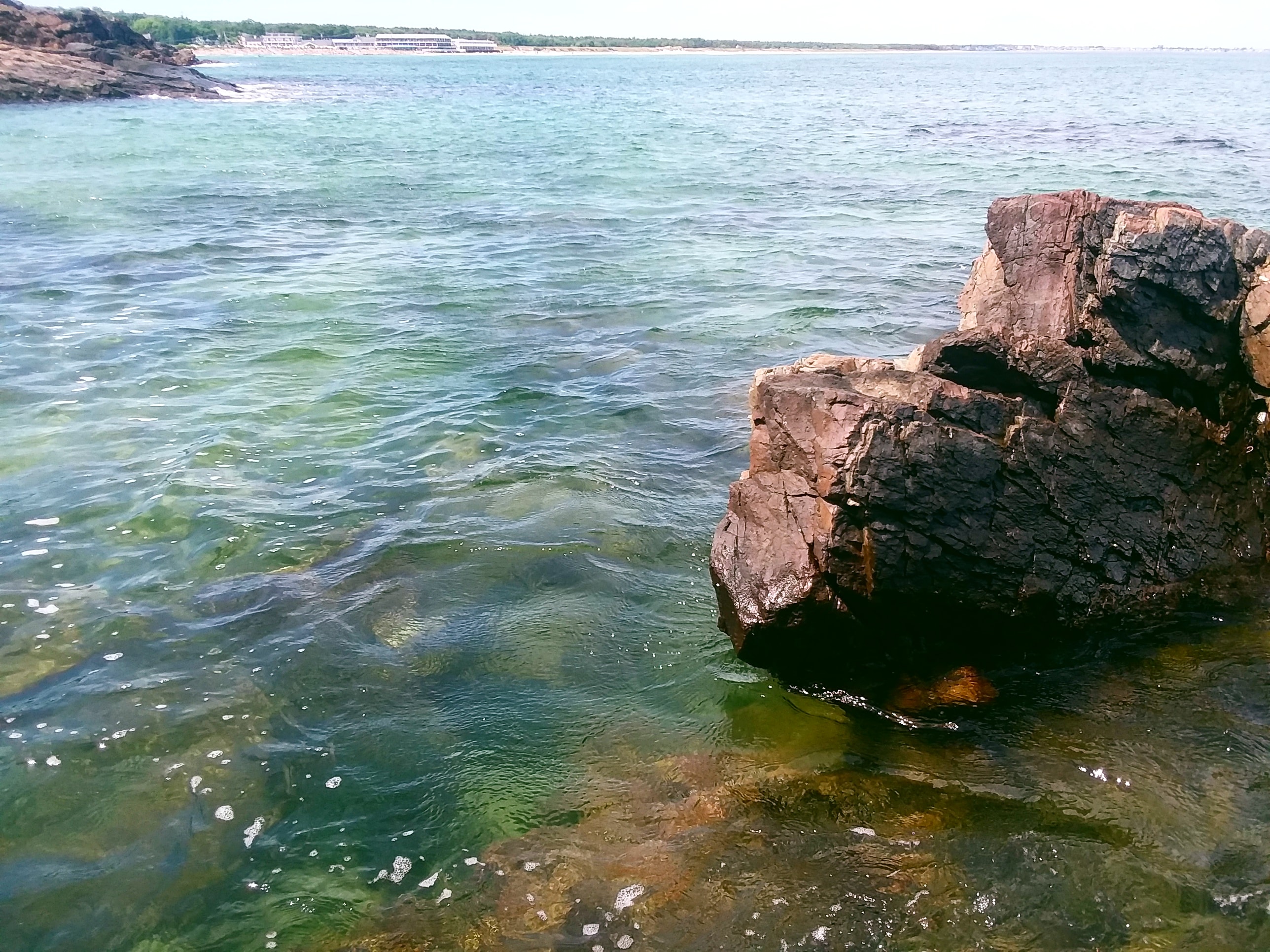
It’s been a while since the beaches opened up and here in Maine I noticed that the ocean had a much greener hue to it than usual. There were intense heat waves this Spring that must have been good conditions for phytoplankton. The temperature of the water was surprisingly warm for June, yet hardly any people and no one swimming.
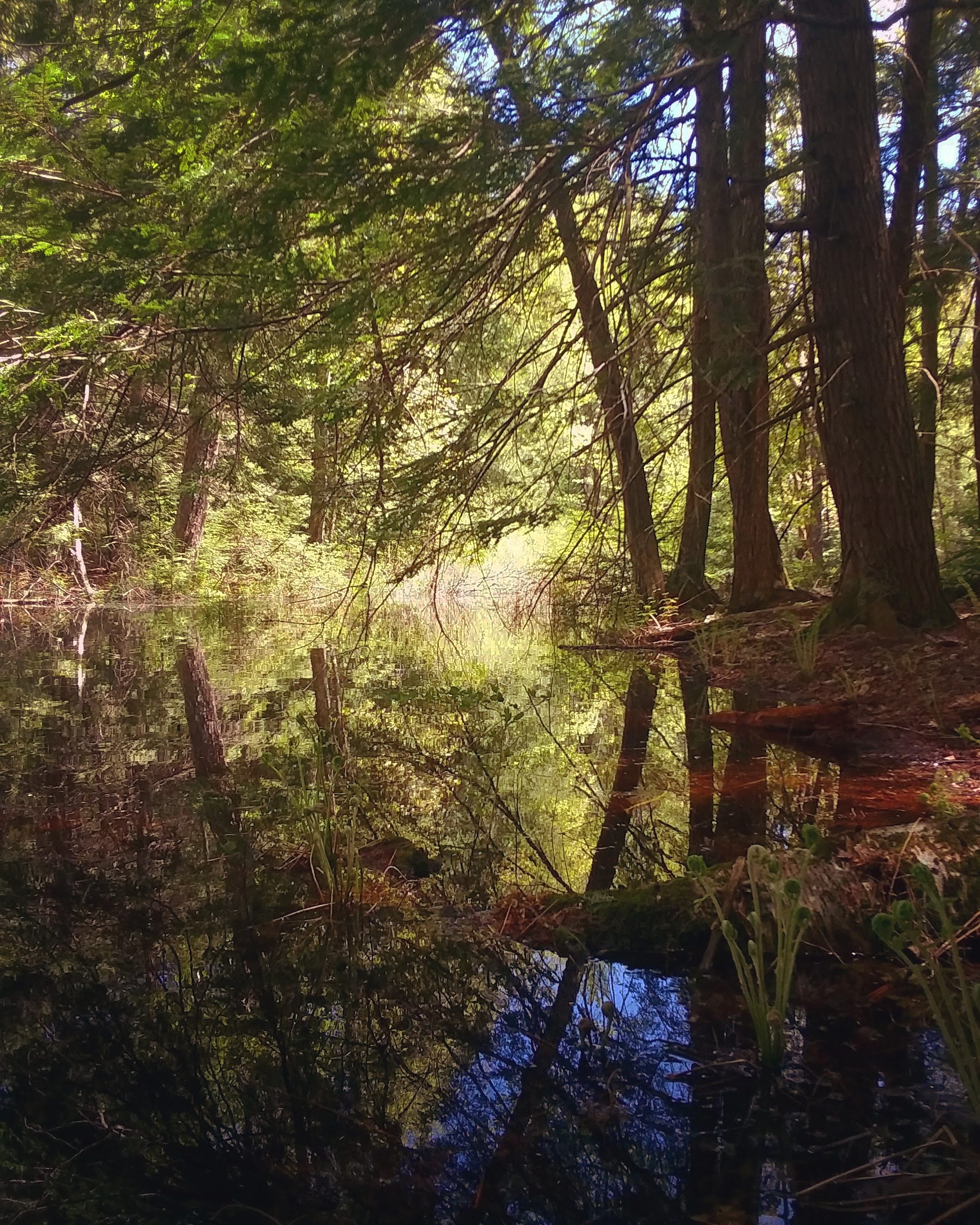 A two mile long path unfolds through wetlands, logging trails and high ridges overlooking beaver marshes. The one hundred and ten acres of land is managed by the Conservation Commission and Forestry Committee. It was created by volunteers in 1991.
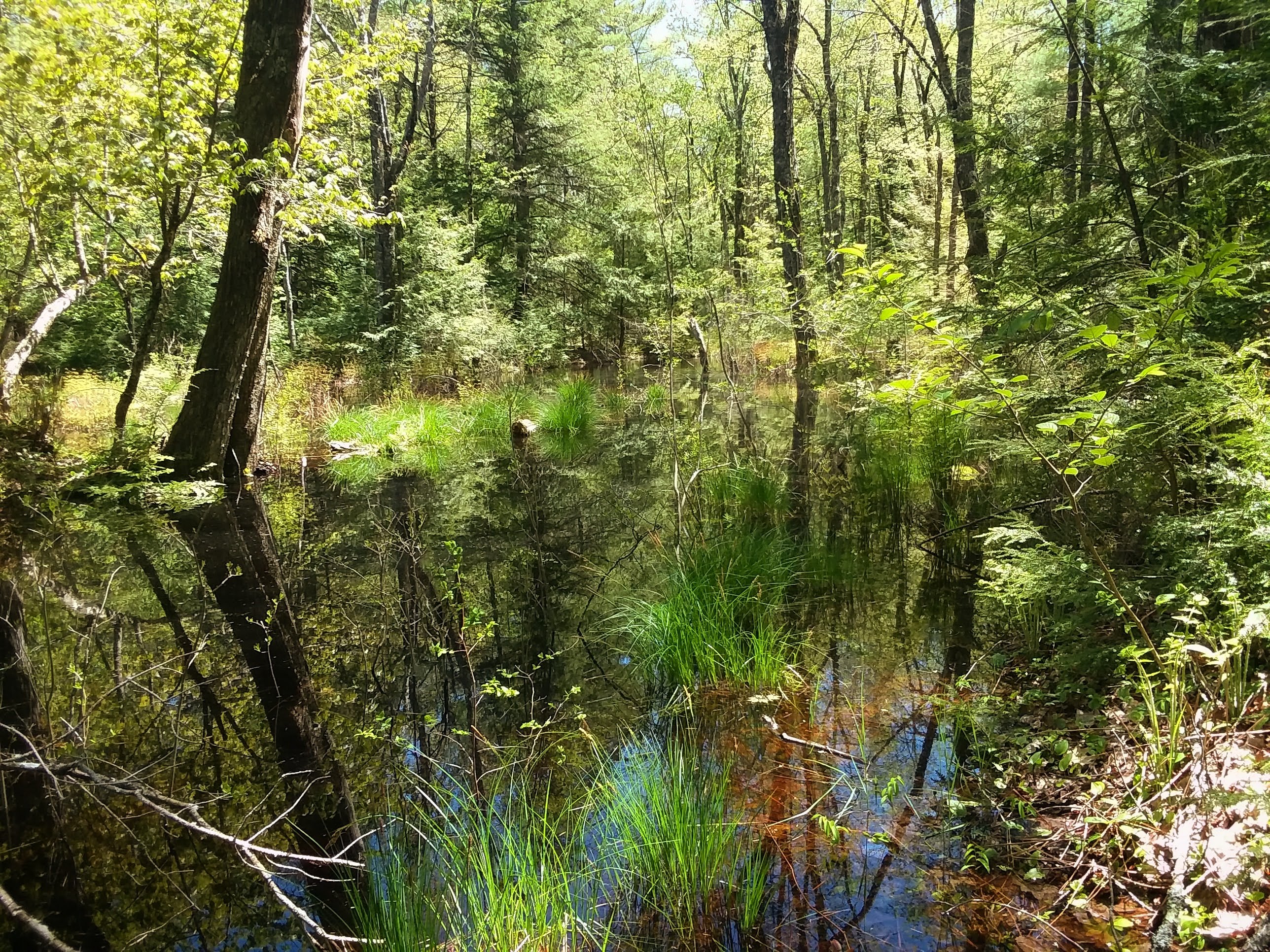
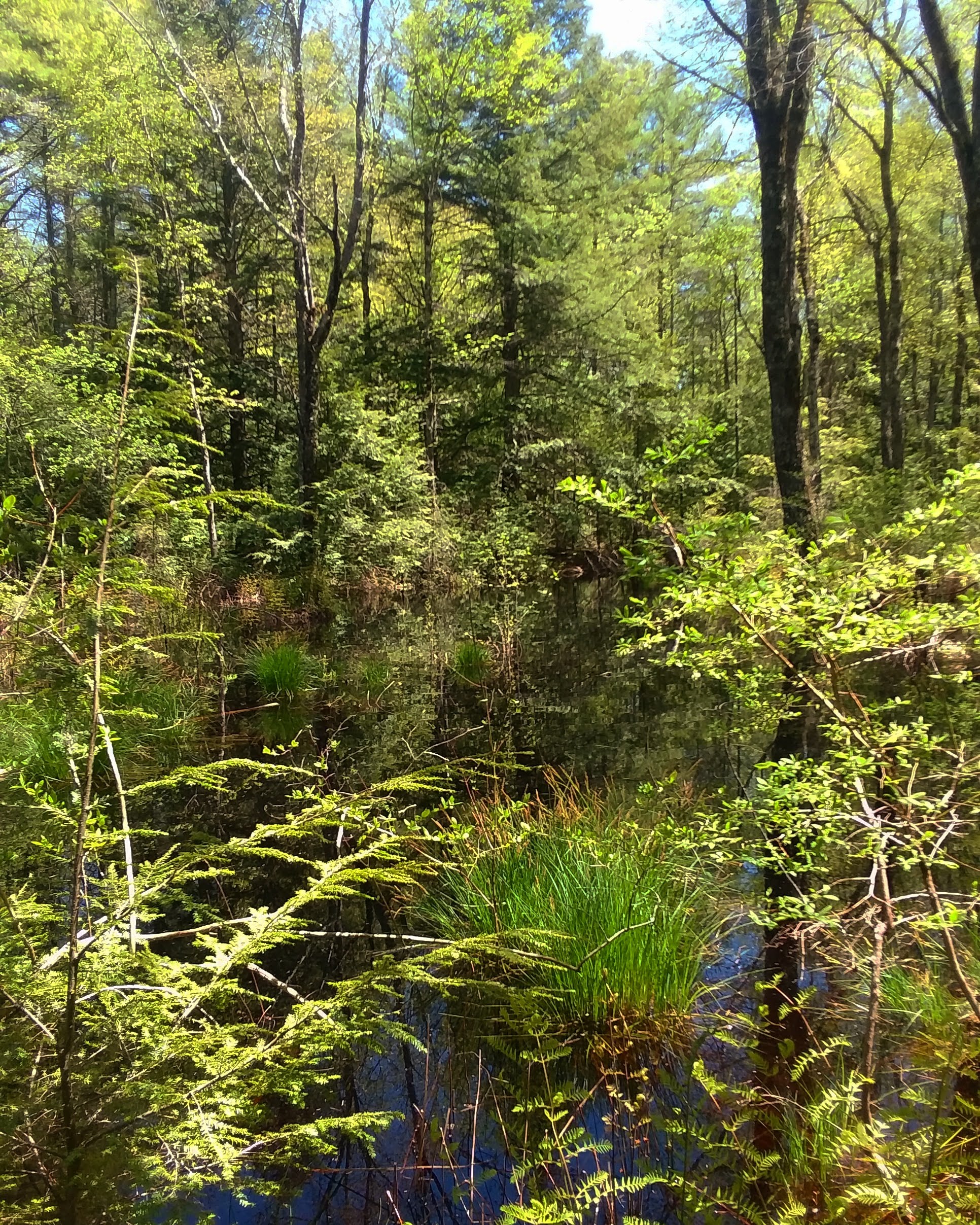
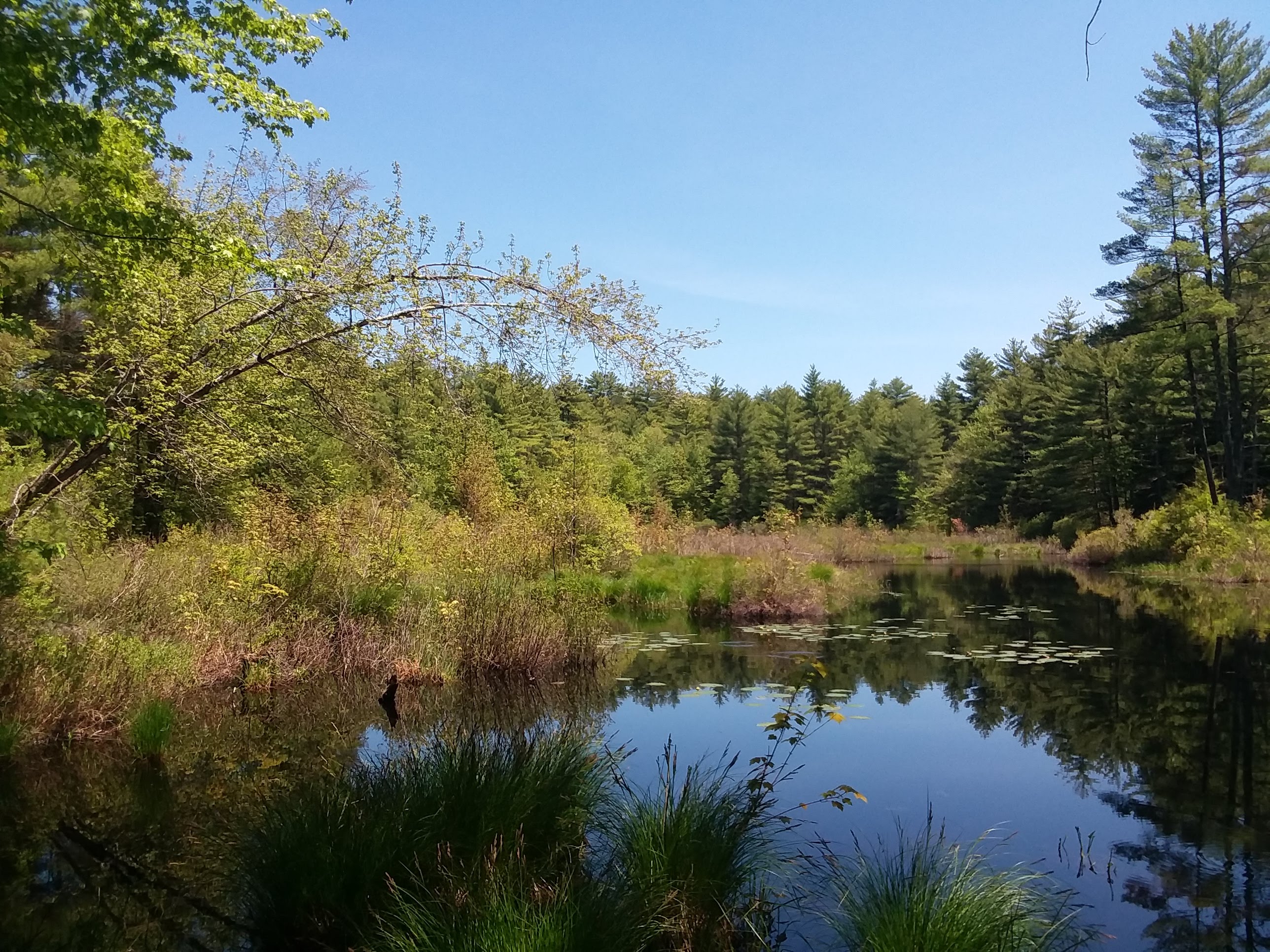
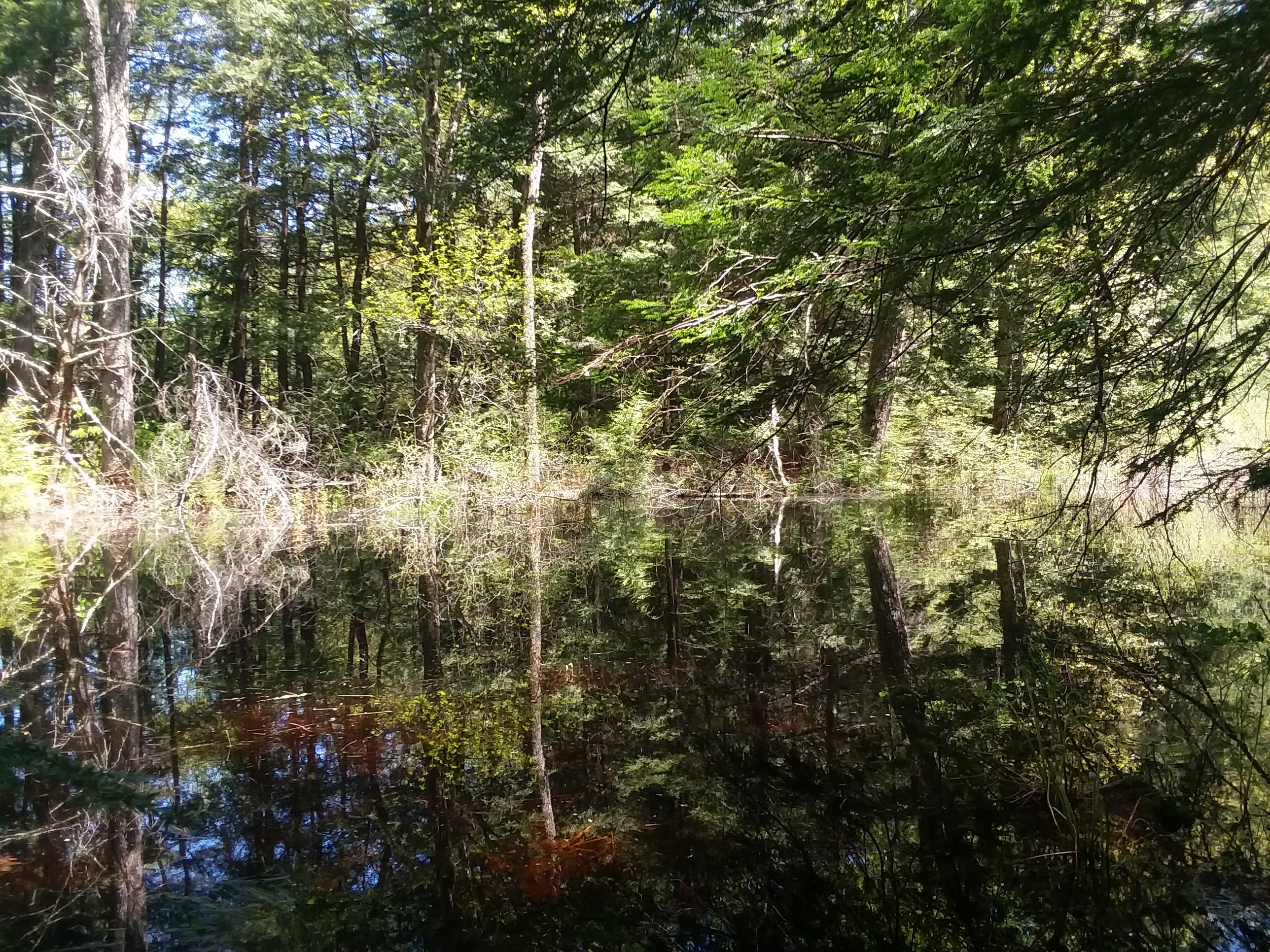
 A vernal pond under the heavy canopy of an old growth section of forest.
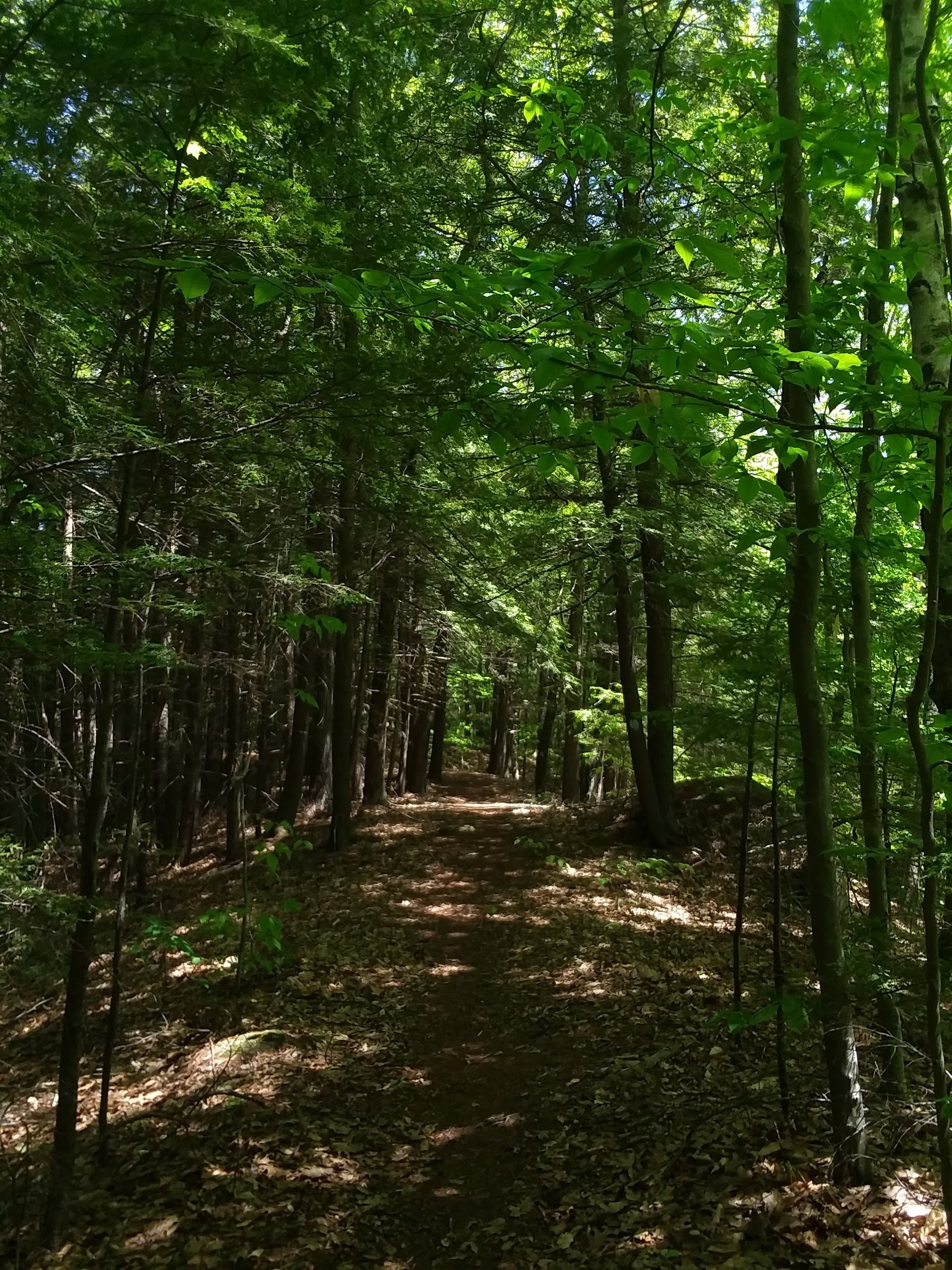
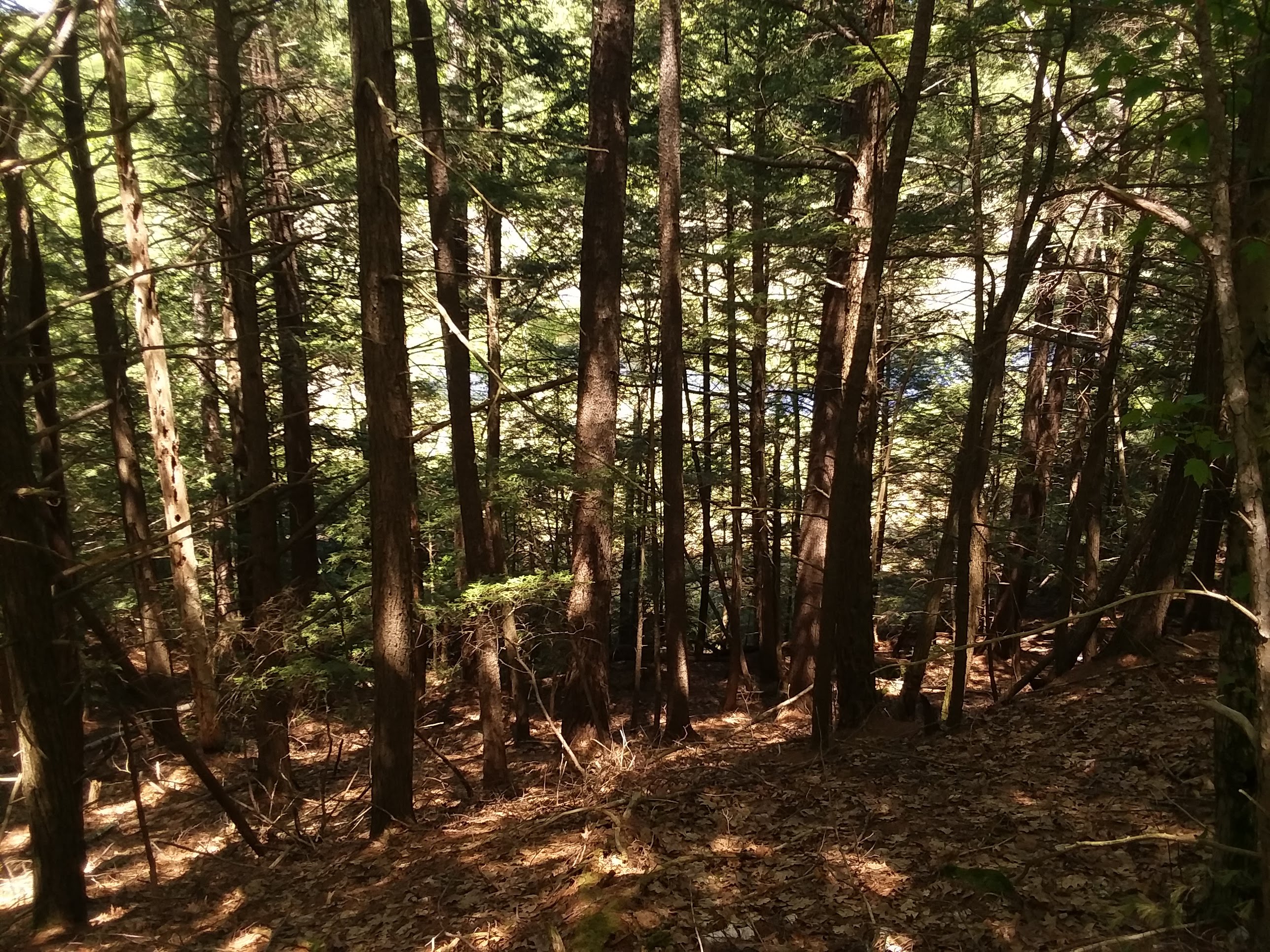 At the highest point, one can see down this steep ridge to a vast marshland in the distance.
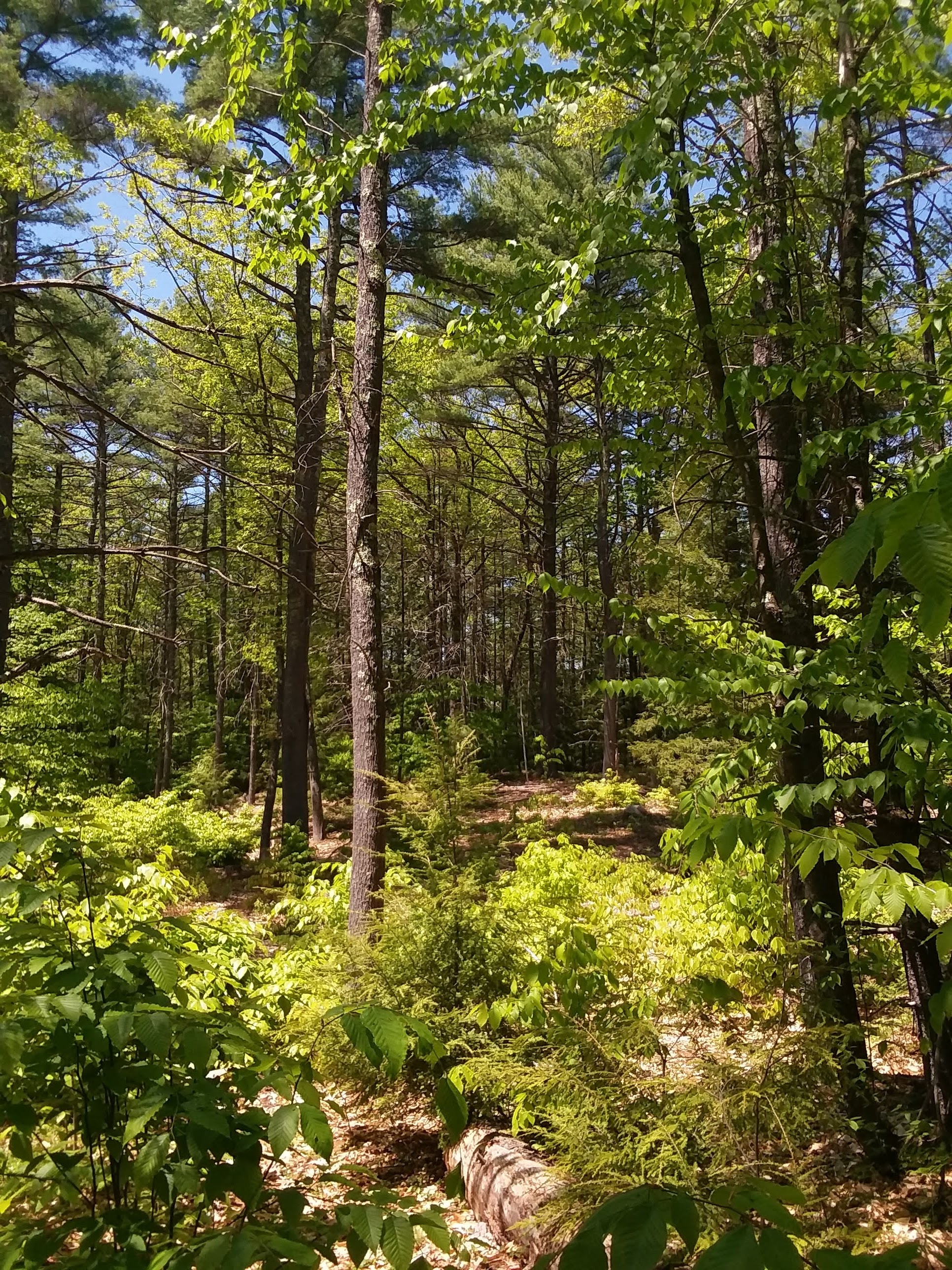 There are lots of sunny patches in this forest due to “skid trails” or wood harvested areas.
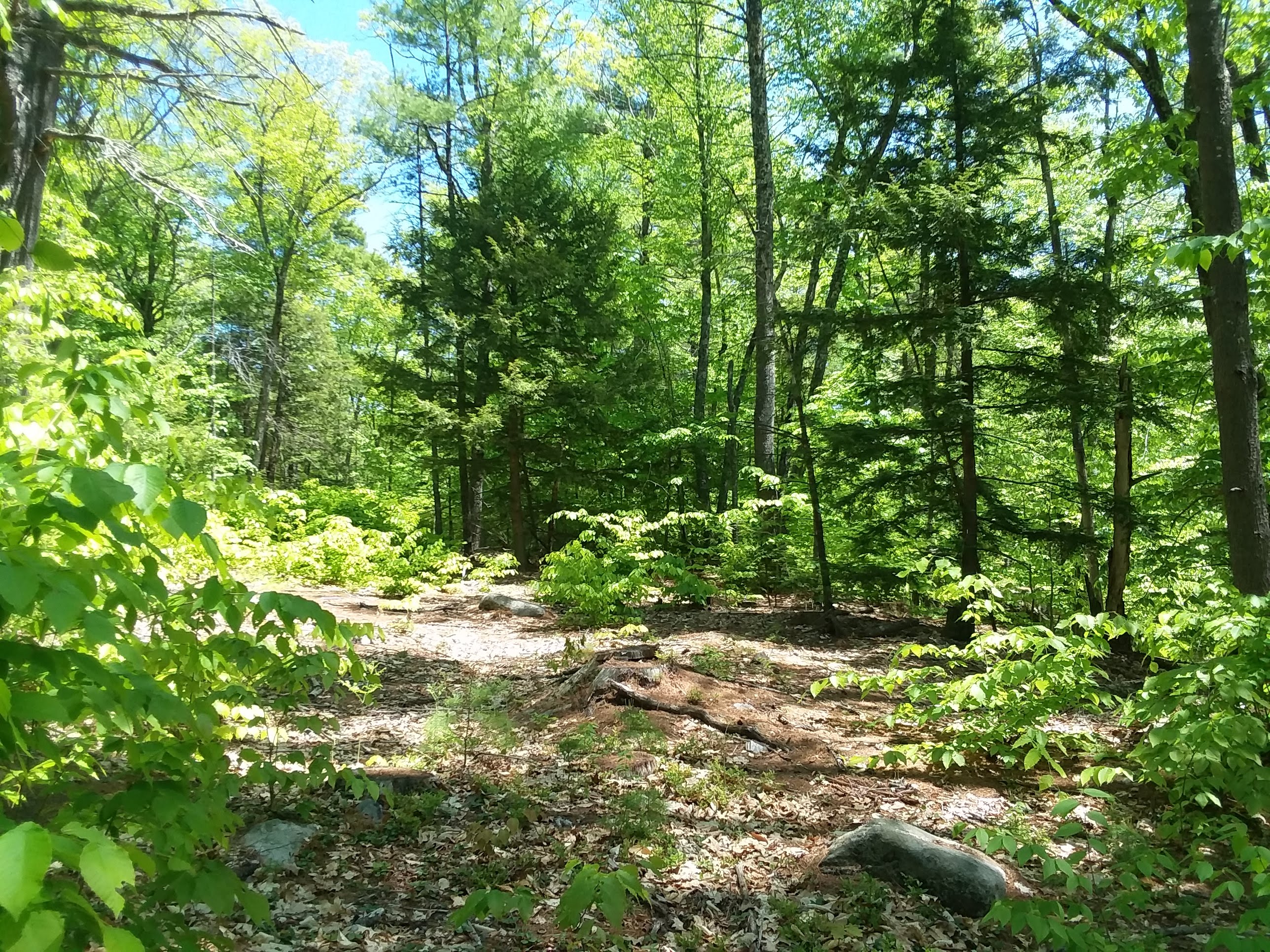 The last harvest was done in 1990.
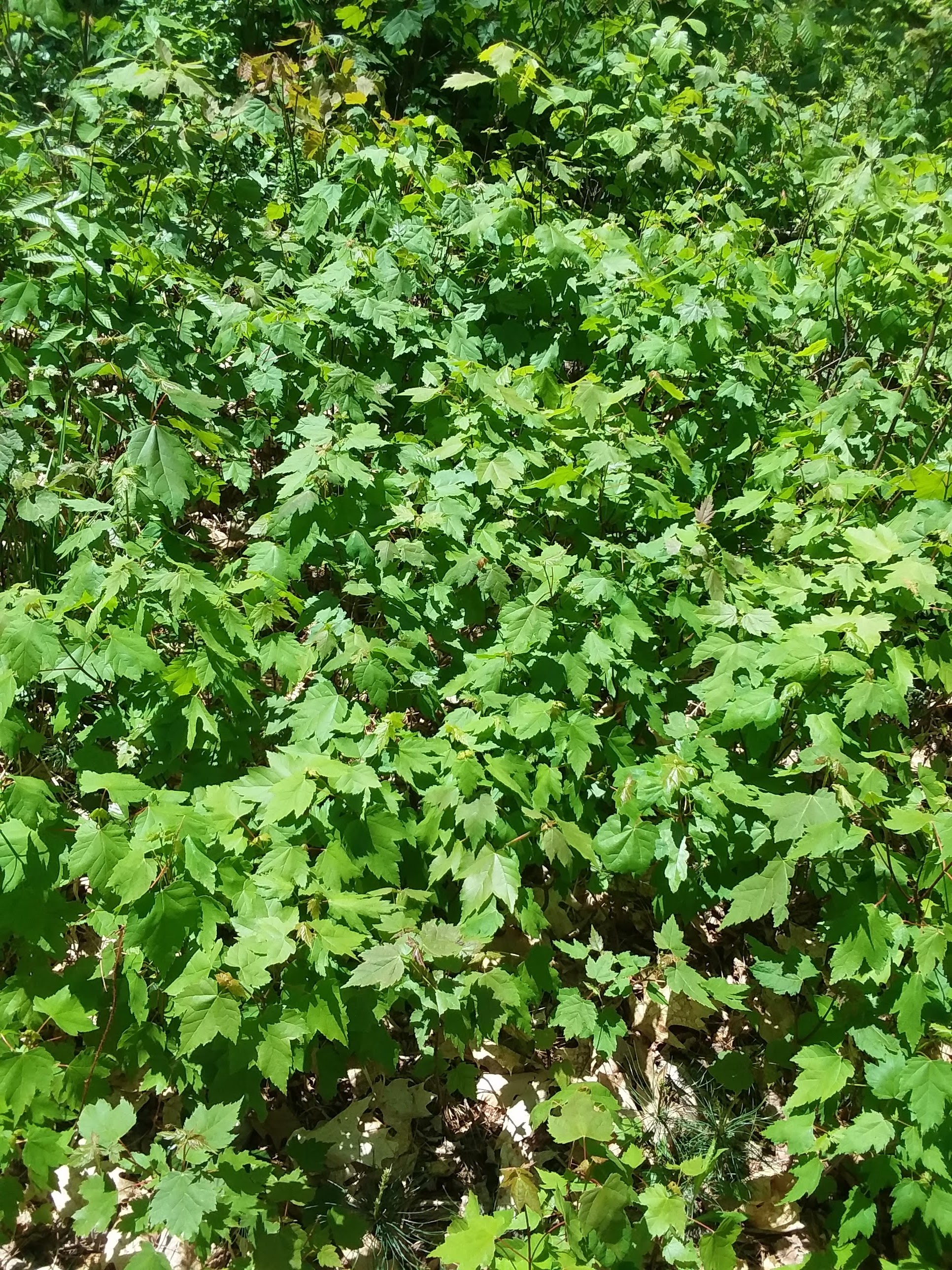 A tightly grouped cluster of young maples along the path.
 Some of the vegetation includes poisonous sumac and a rare colony of rhododendron native to North America.
In 1983, a man by the name of Gilbert Knowles offered the Dowst-Cate Town Forest to the public. He wrote to the officials saying, “I have always had a warm place in my heart for Deerfield (and) I would be happy to do something for Deerfield.” His wishes were that this property be used as a “town forest and park”.
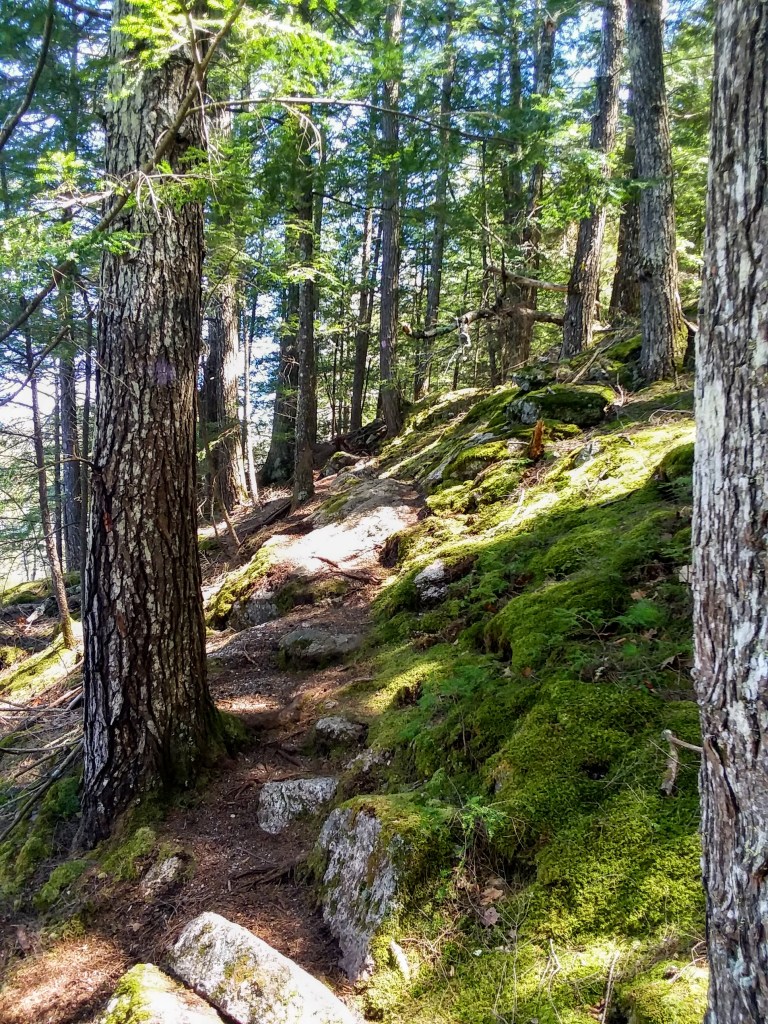
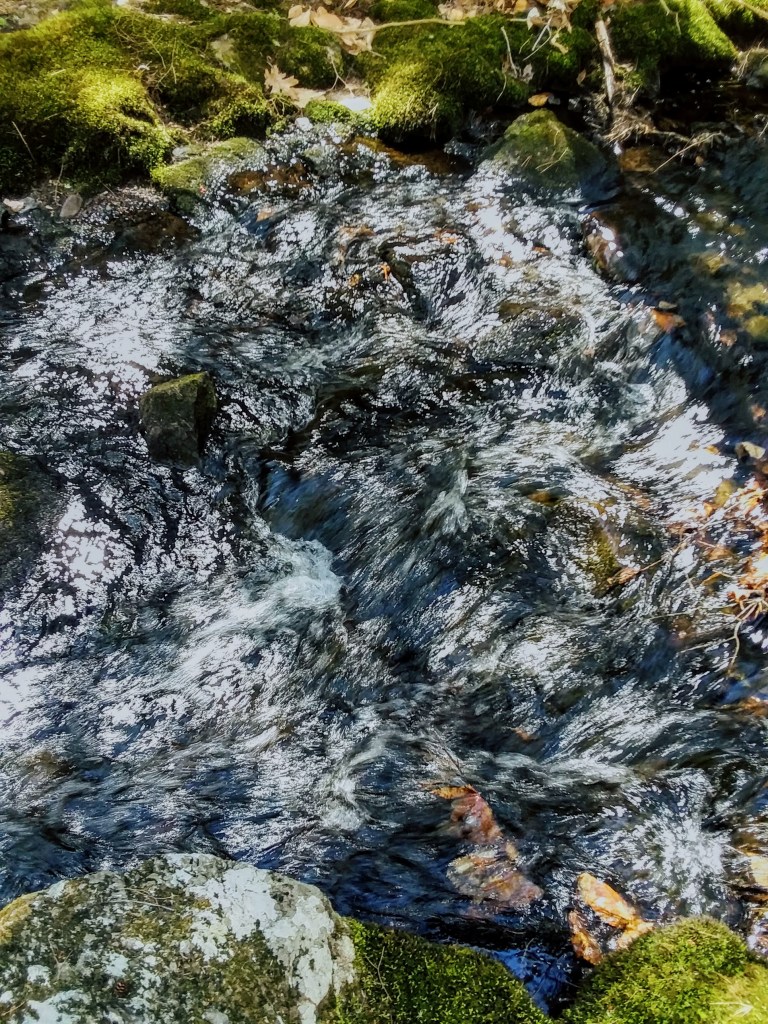
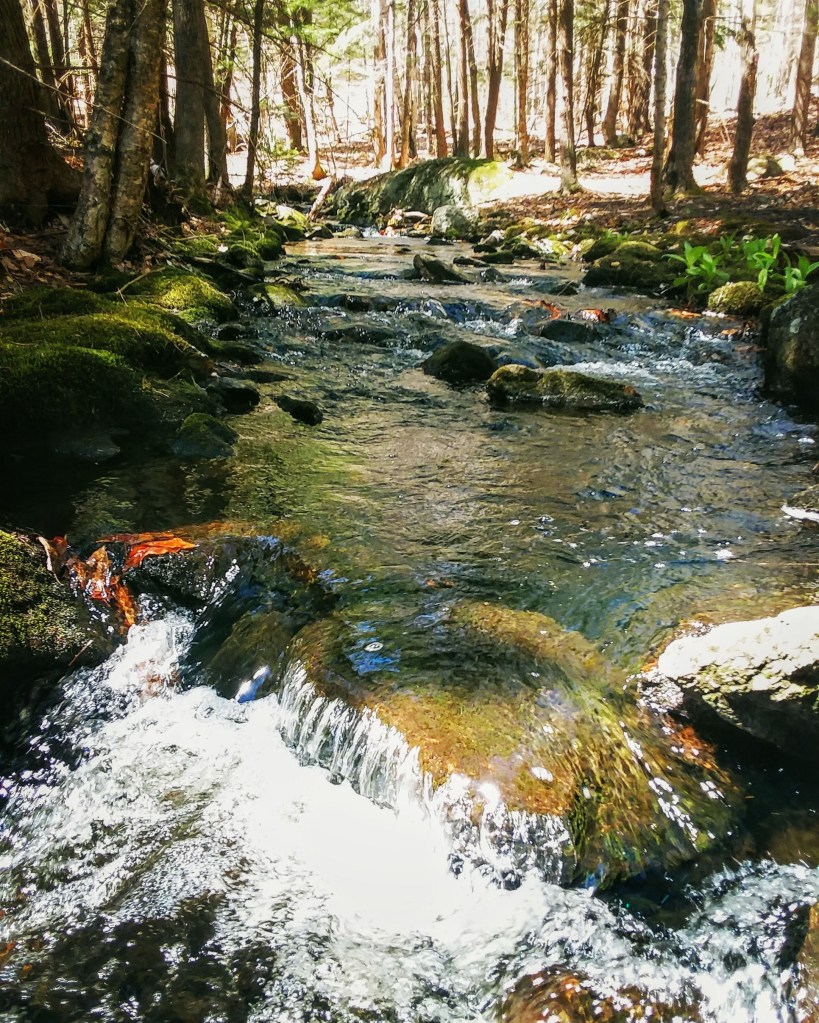
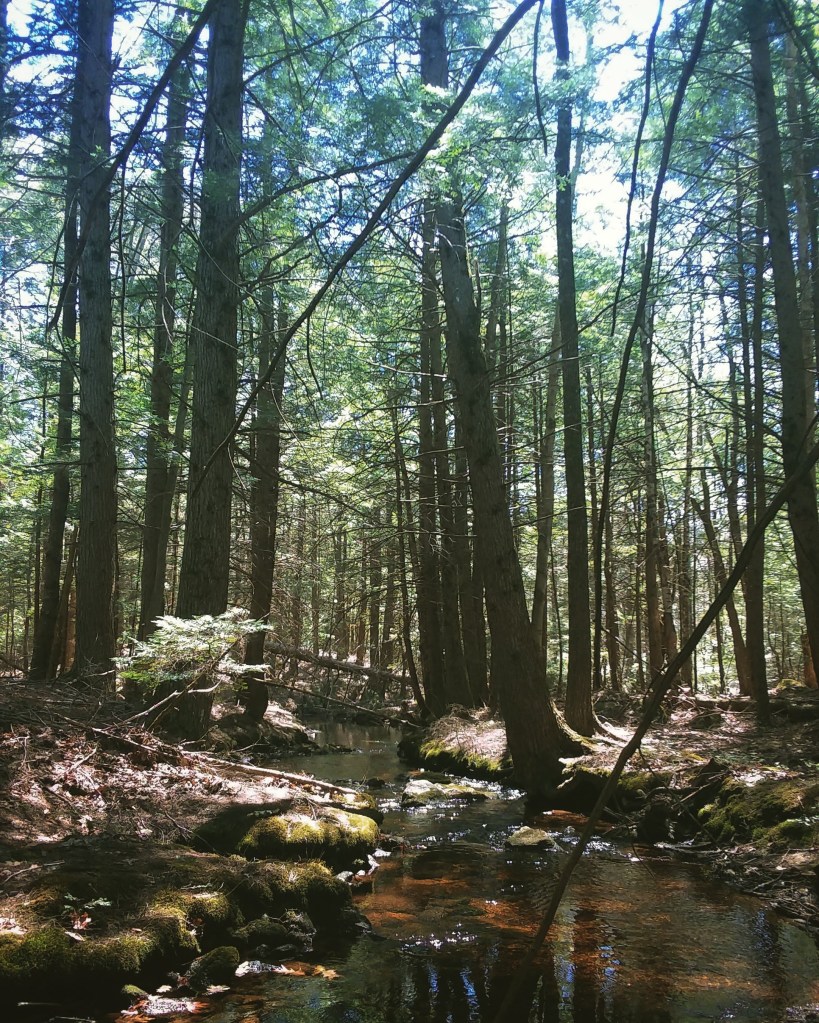
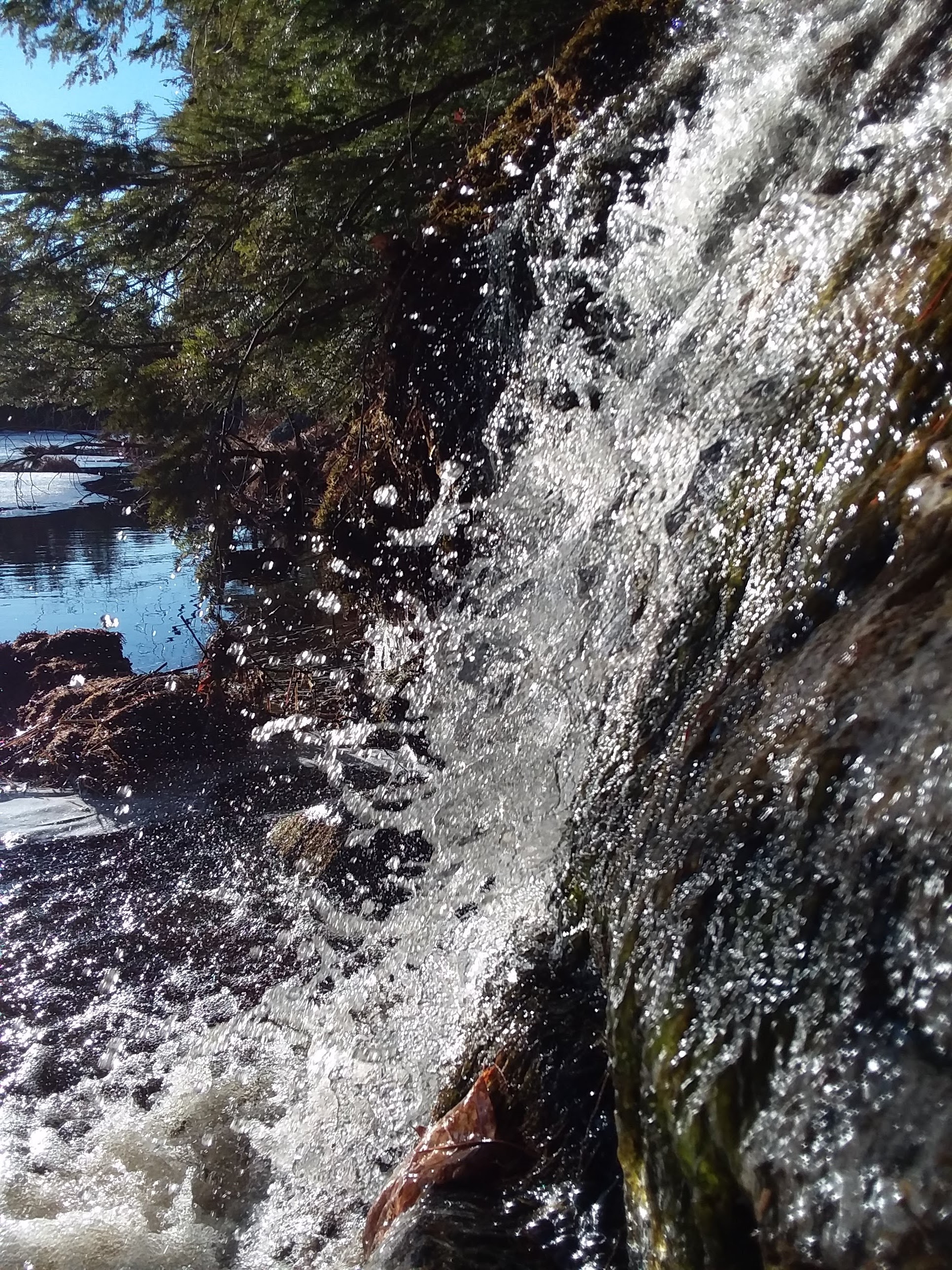
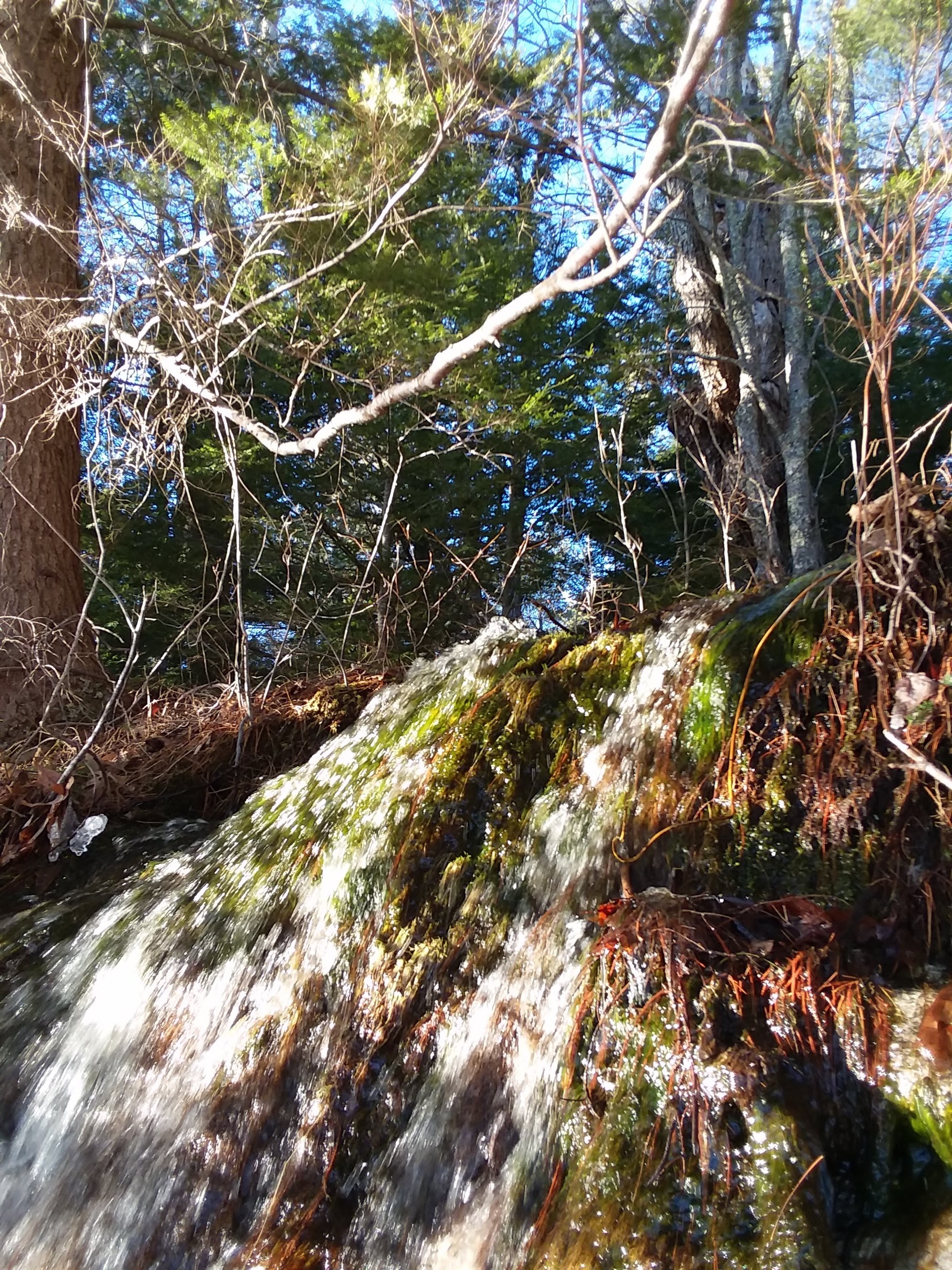
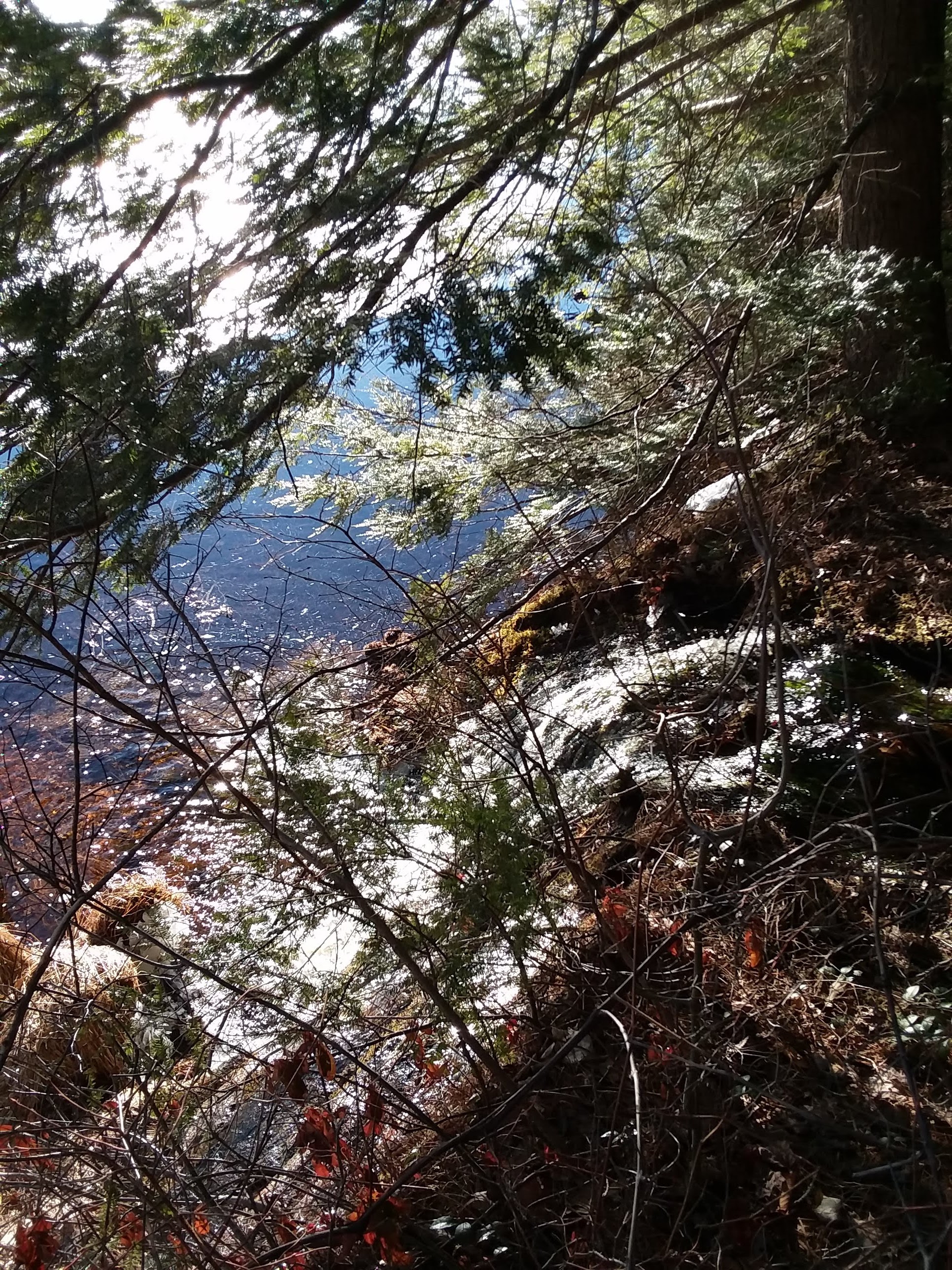
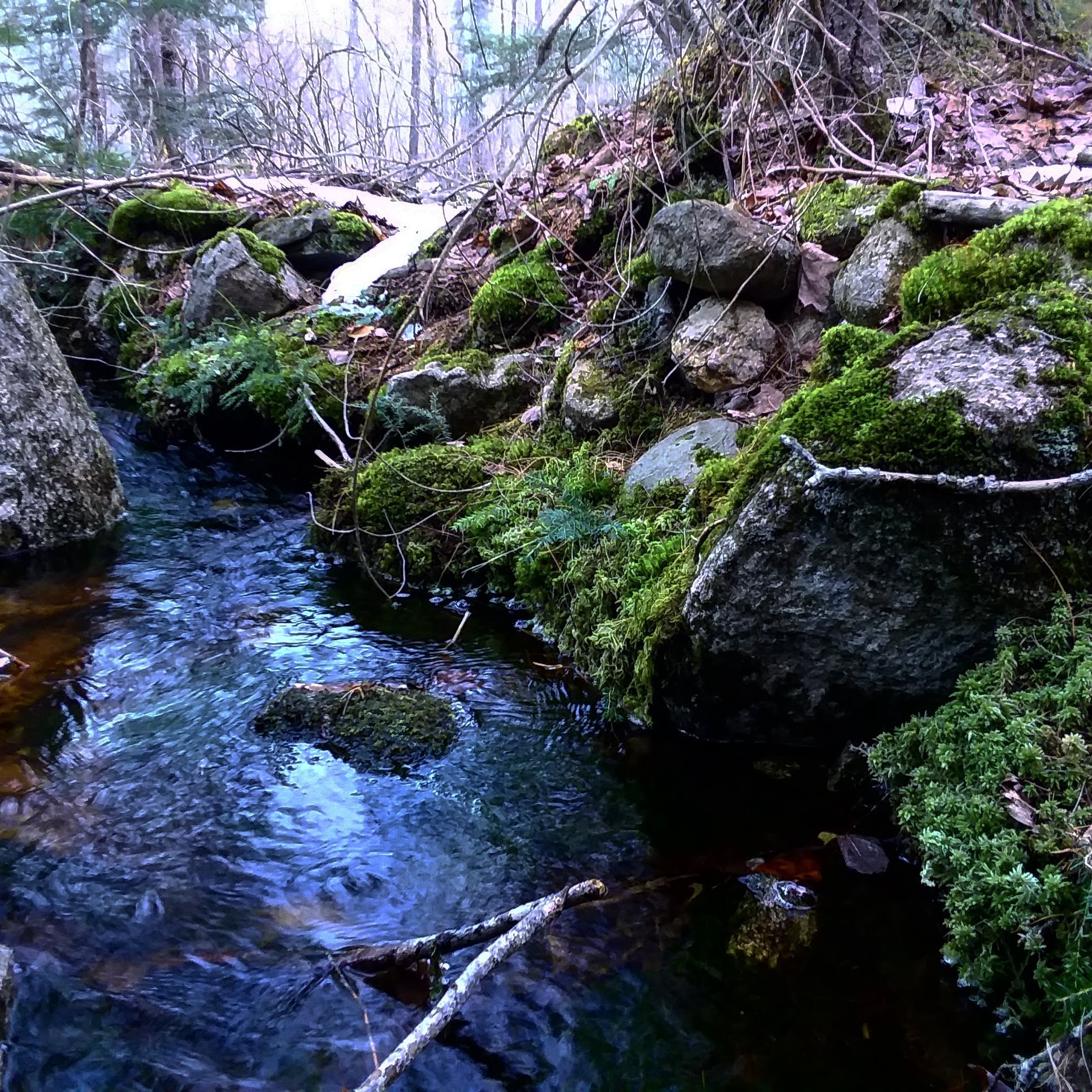
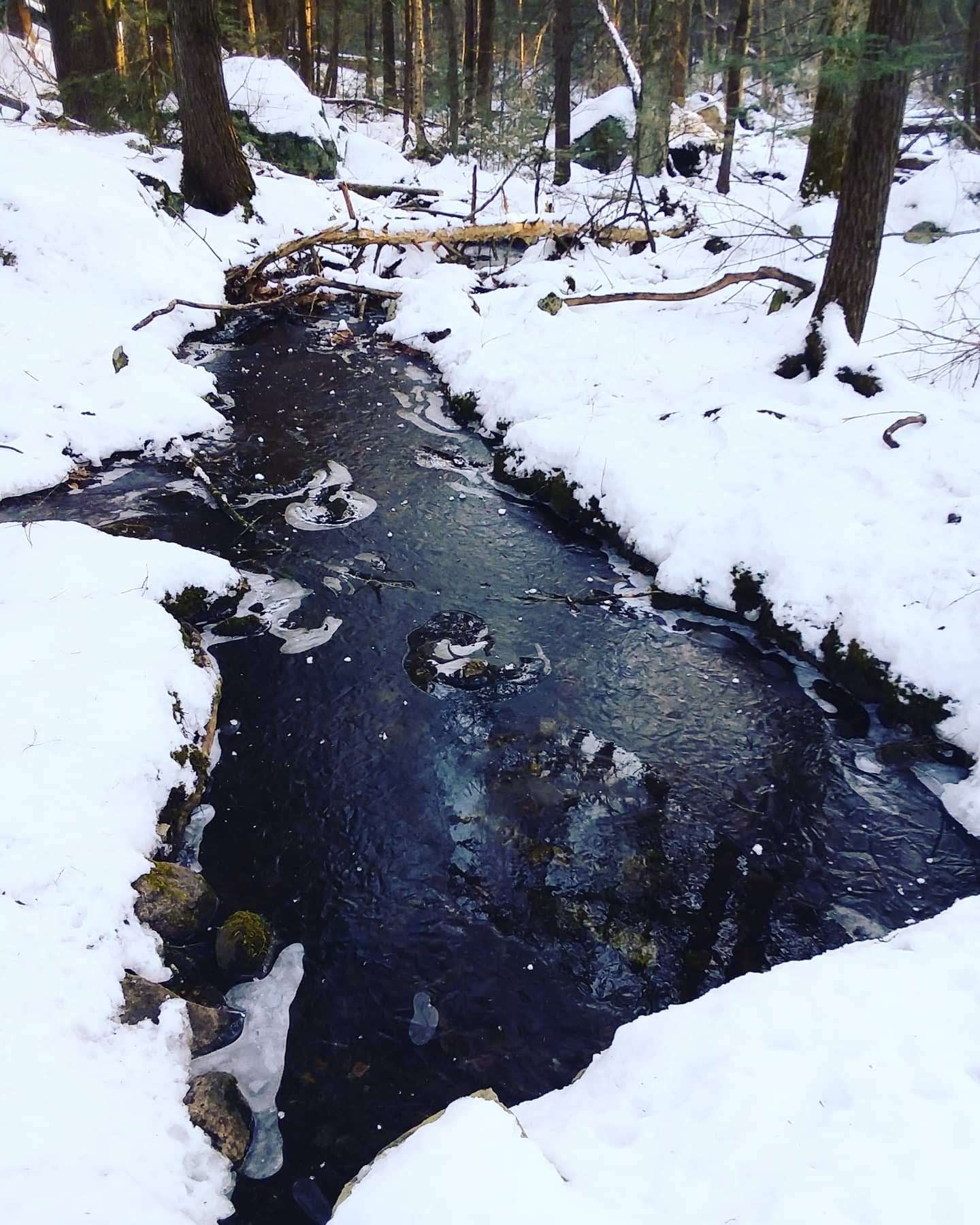
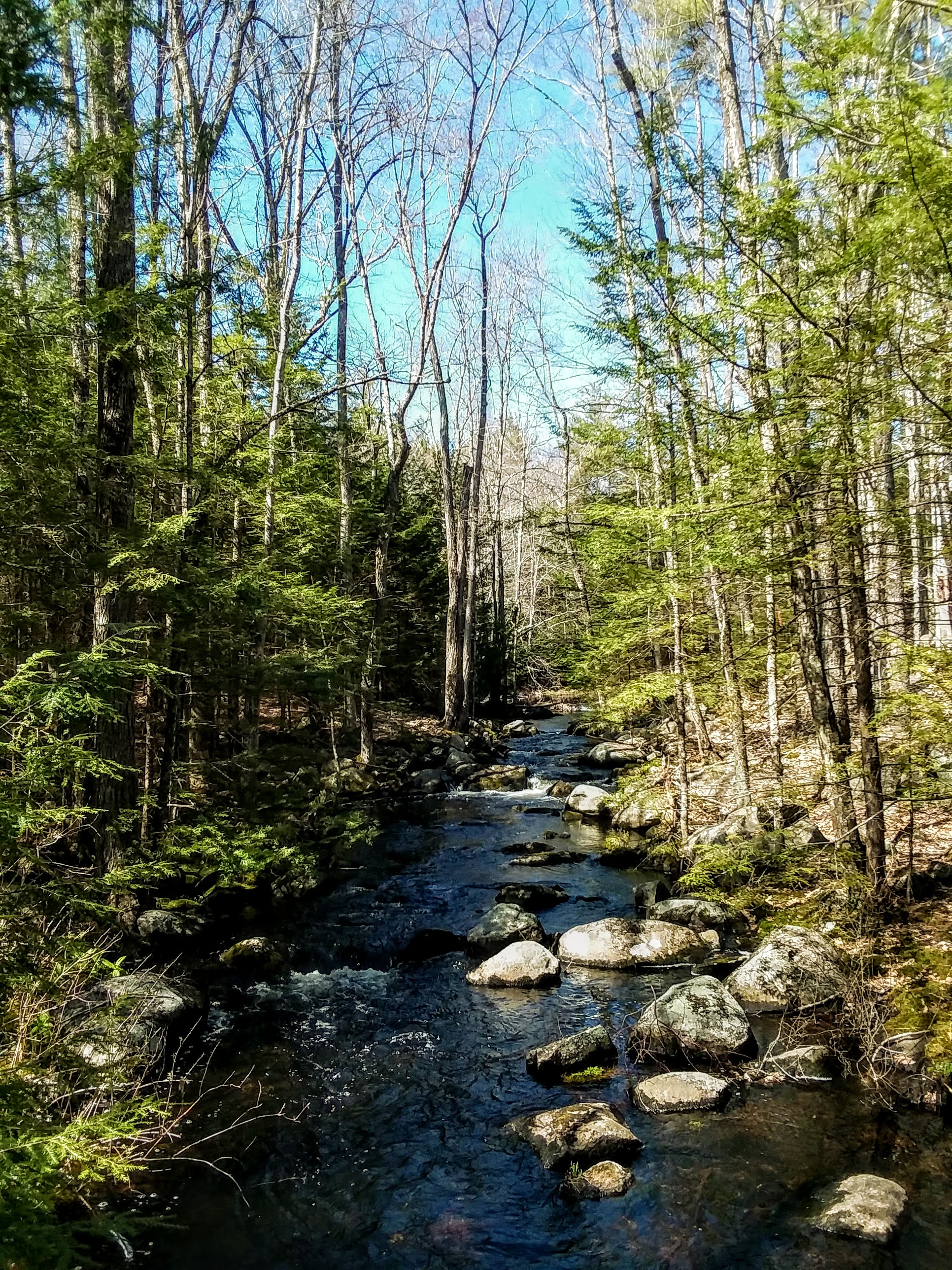 Follow the sights and sounds of a watery springtime making its way through the forest.
 Bean River, Mulligan’s Forest, Nottingham

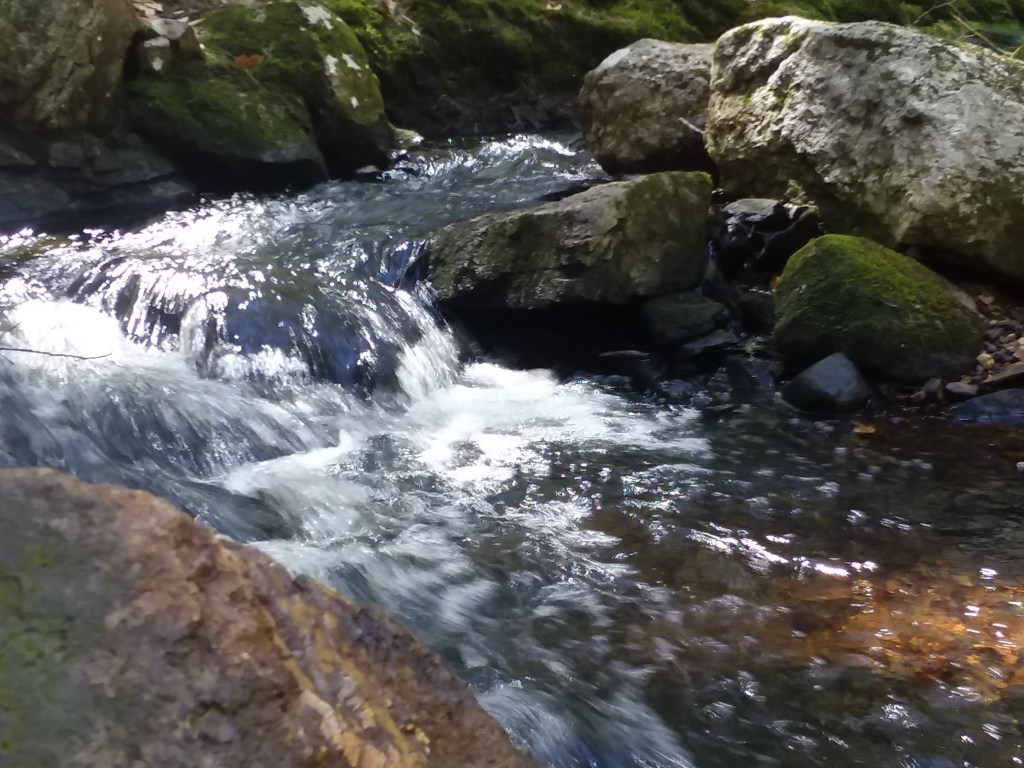
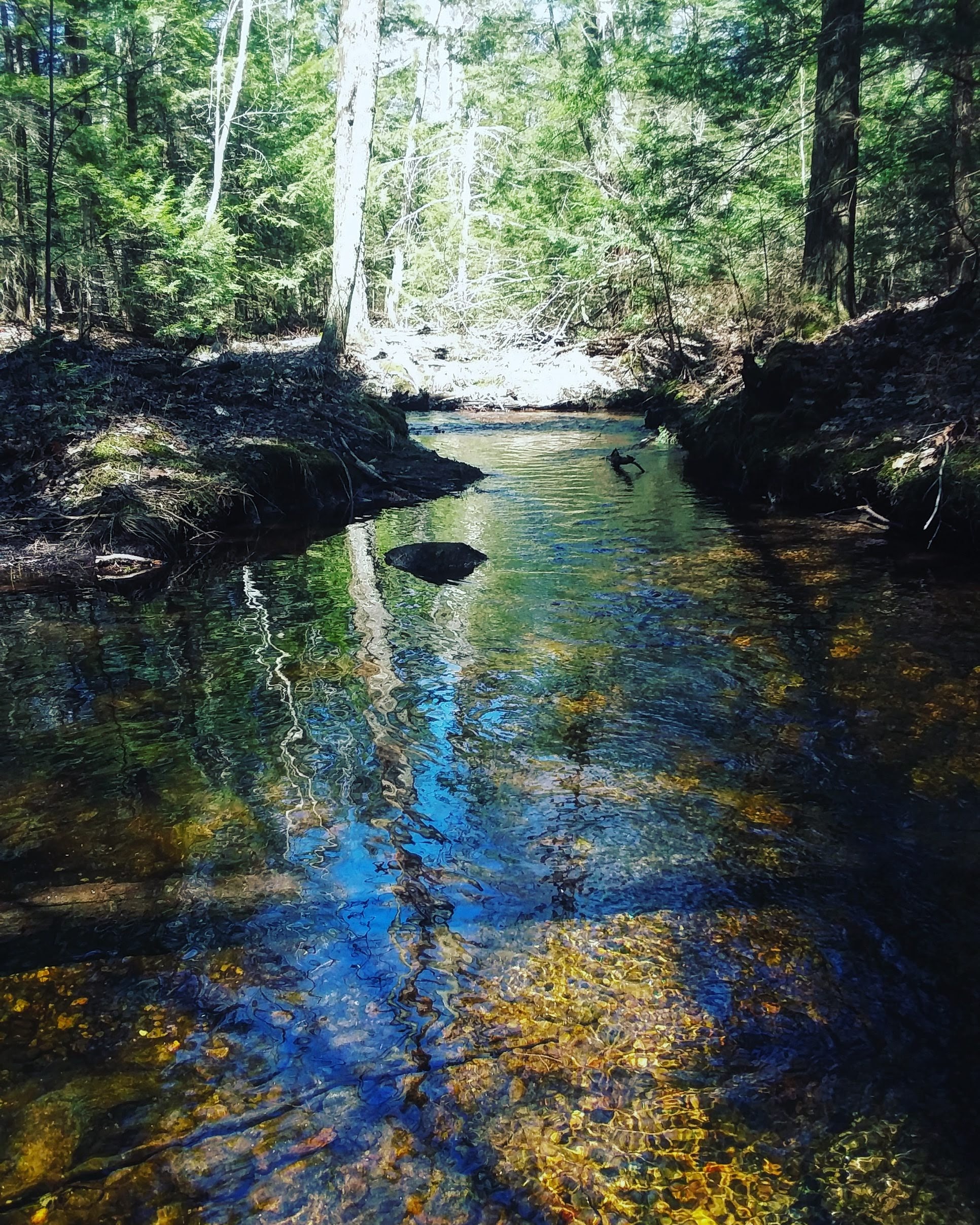 Back Creek, Great Brook Trail, Deerfield
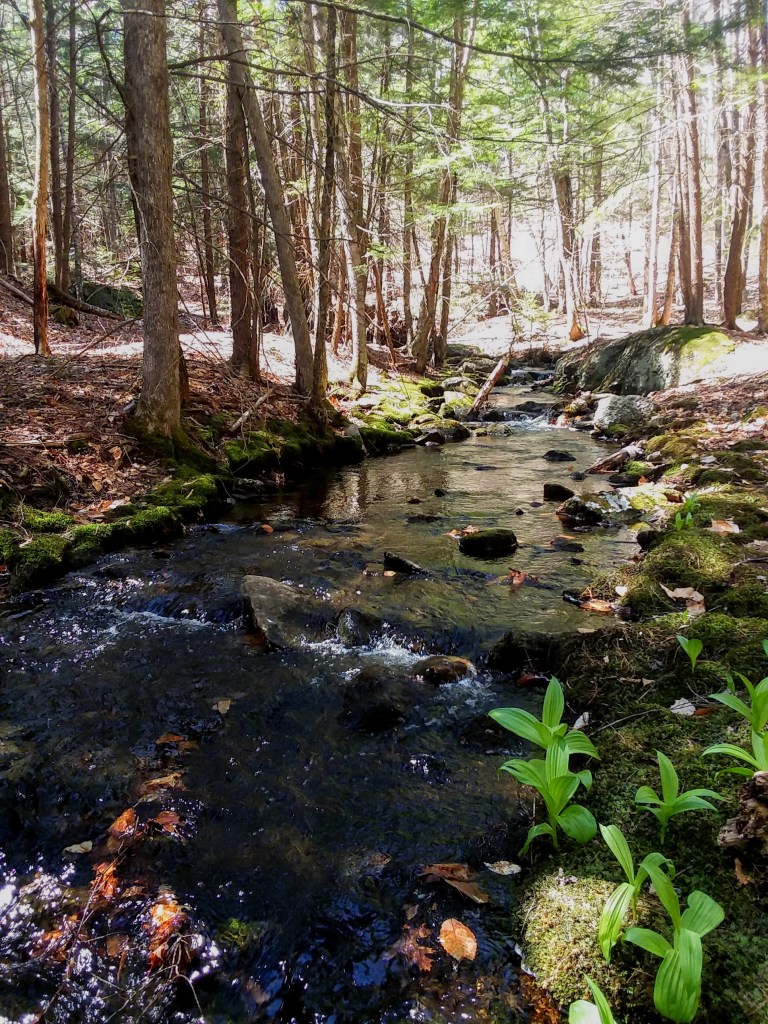

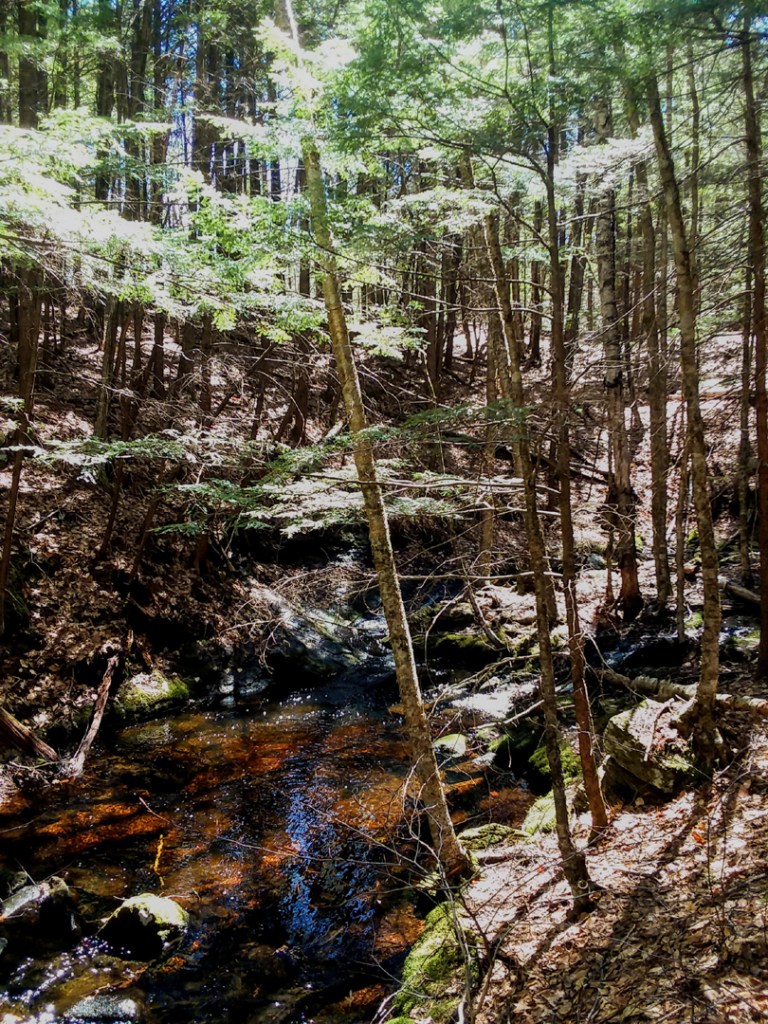

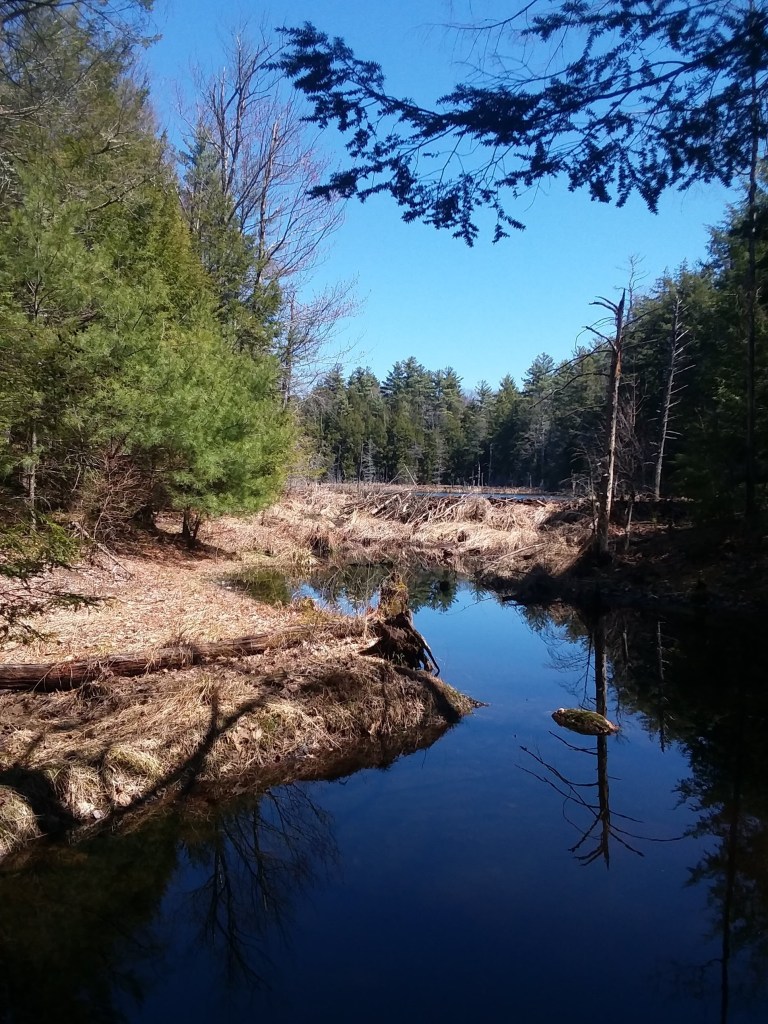
 It’s here at the Great Bay in Durham where many of the rivers and streams of southeastern New Hampshire end up. This bay is an tidal estuary that resides ten miles inland from the Atlantic Coast, being one of the farthest natural estuaries from the ocean.
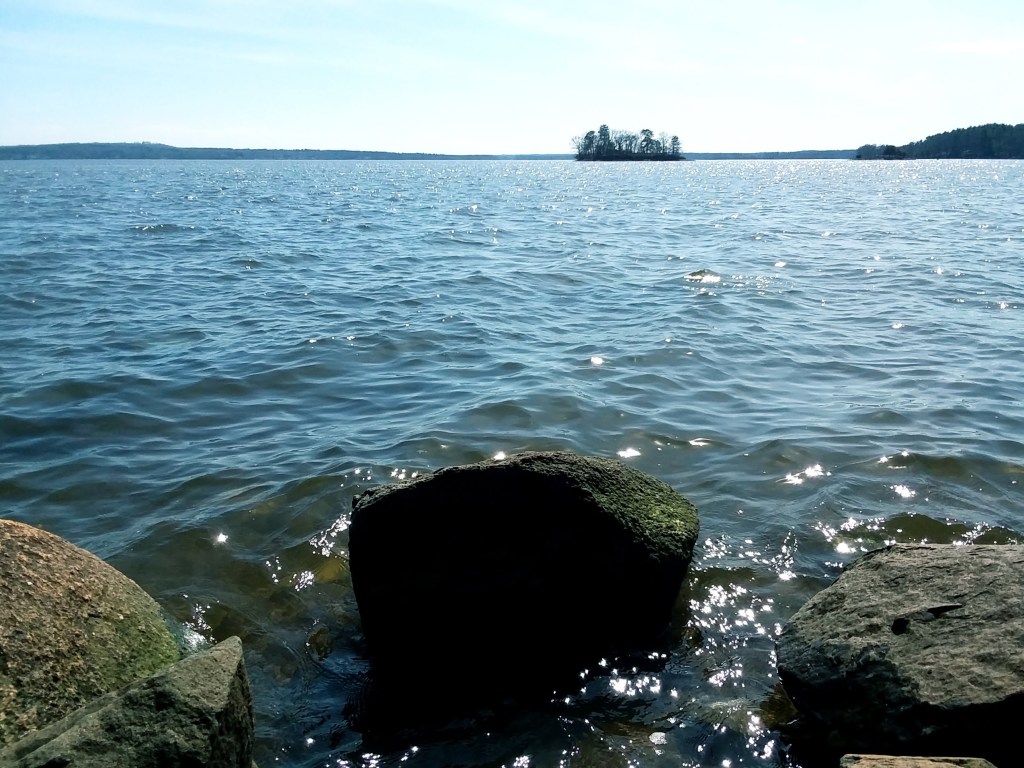
Oarweed Cove, Ogunquit, Maine
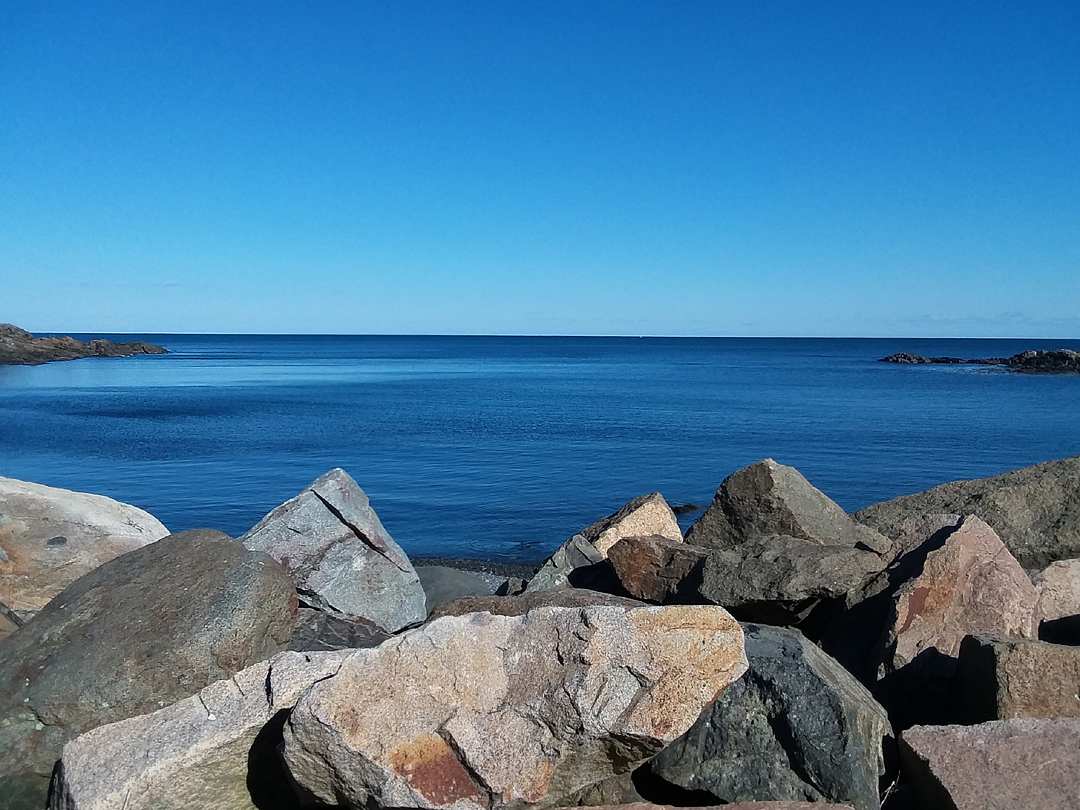
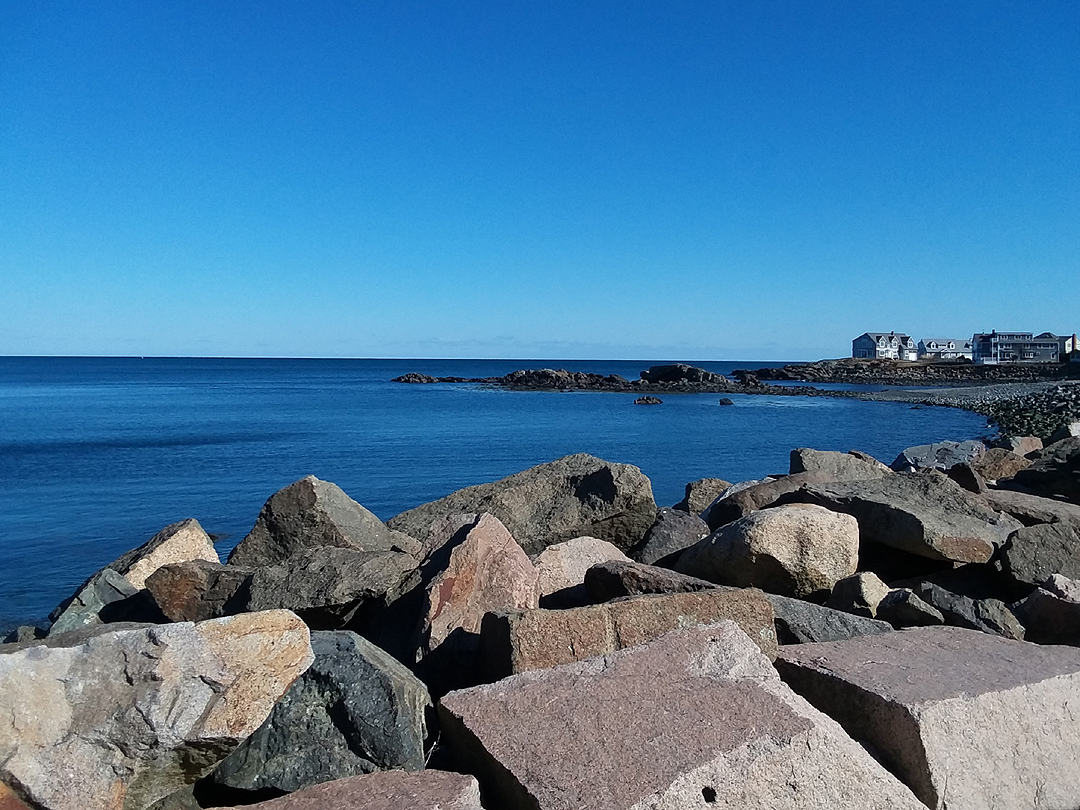
Israel Head Rocks, Ogunquit, Maine

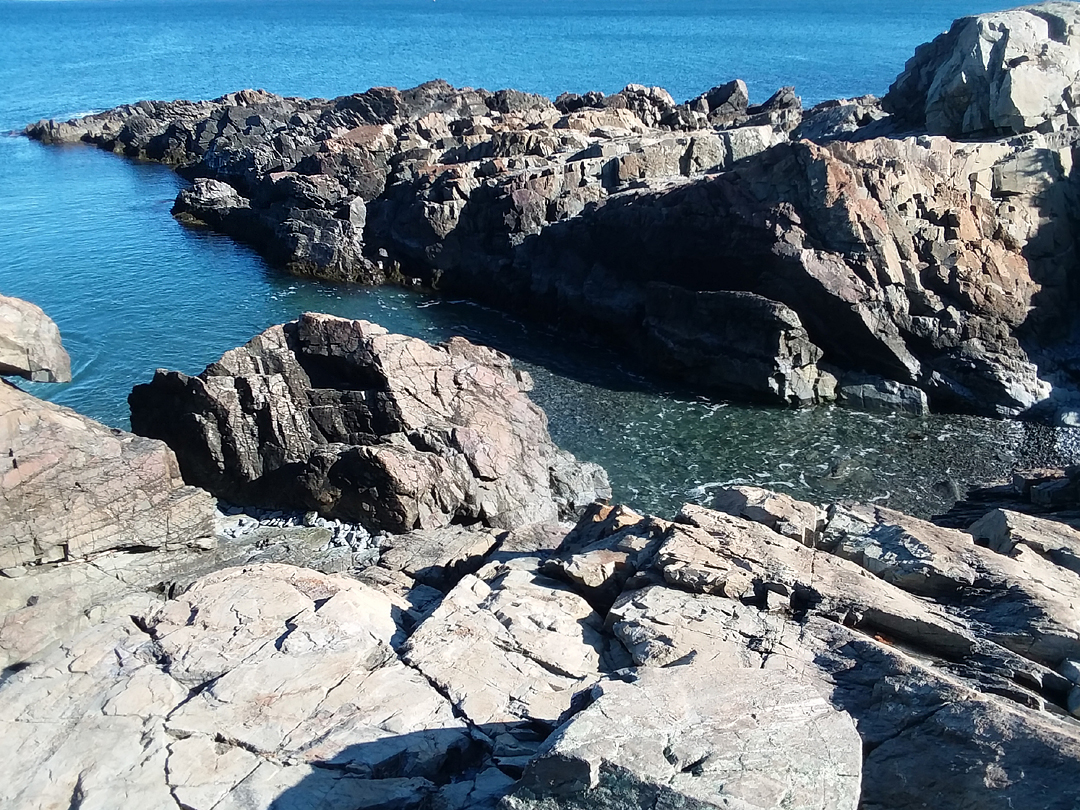
Little Beach Lighthouse, Ogunquit, Maine
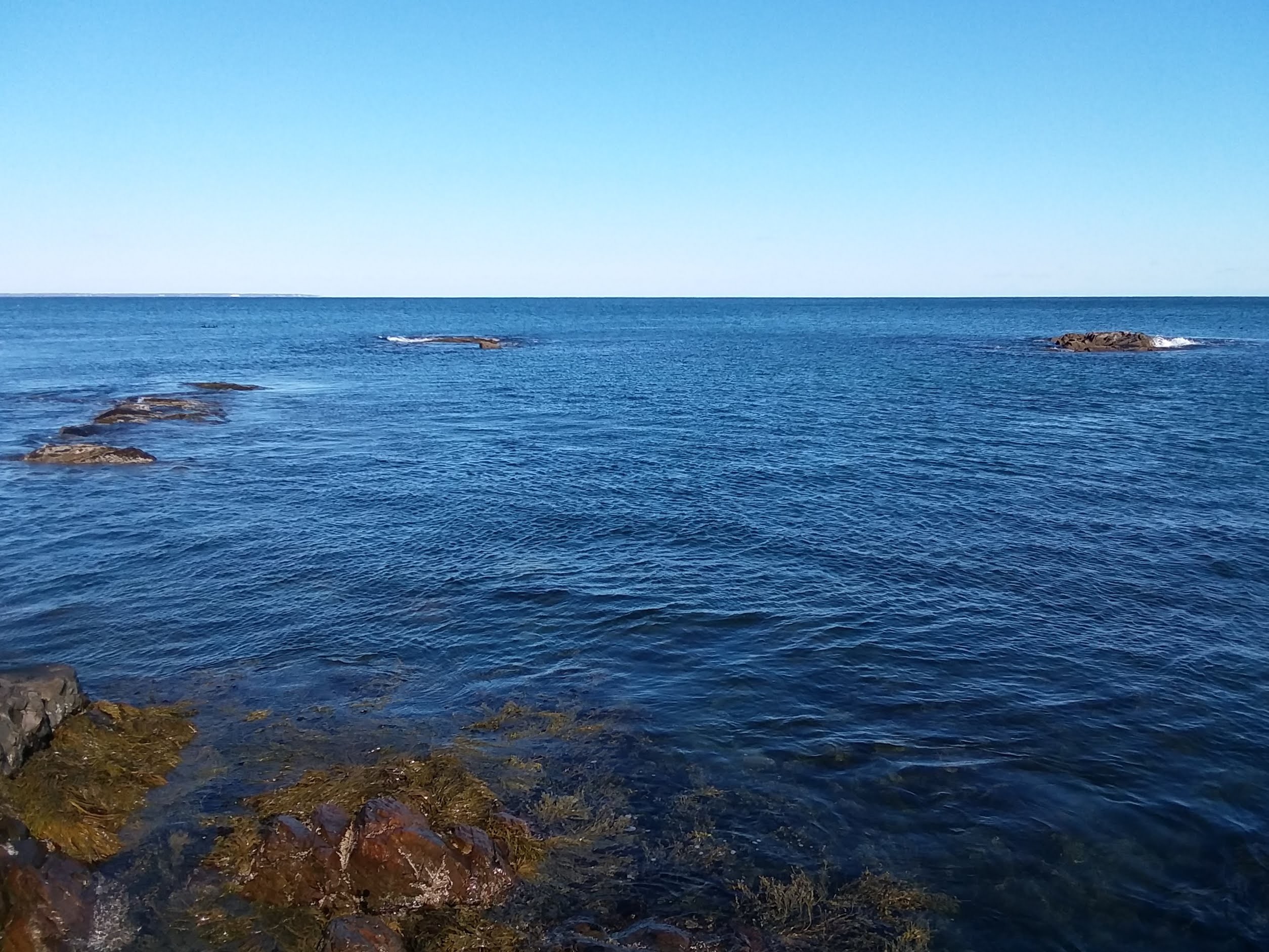

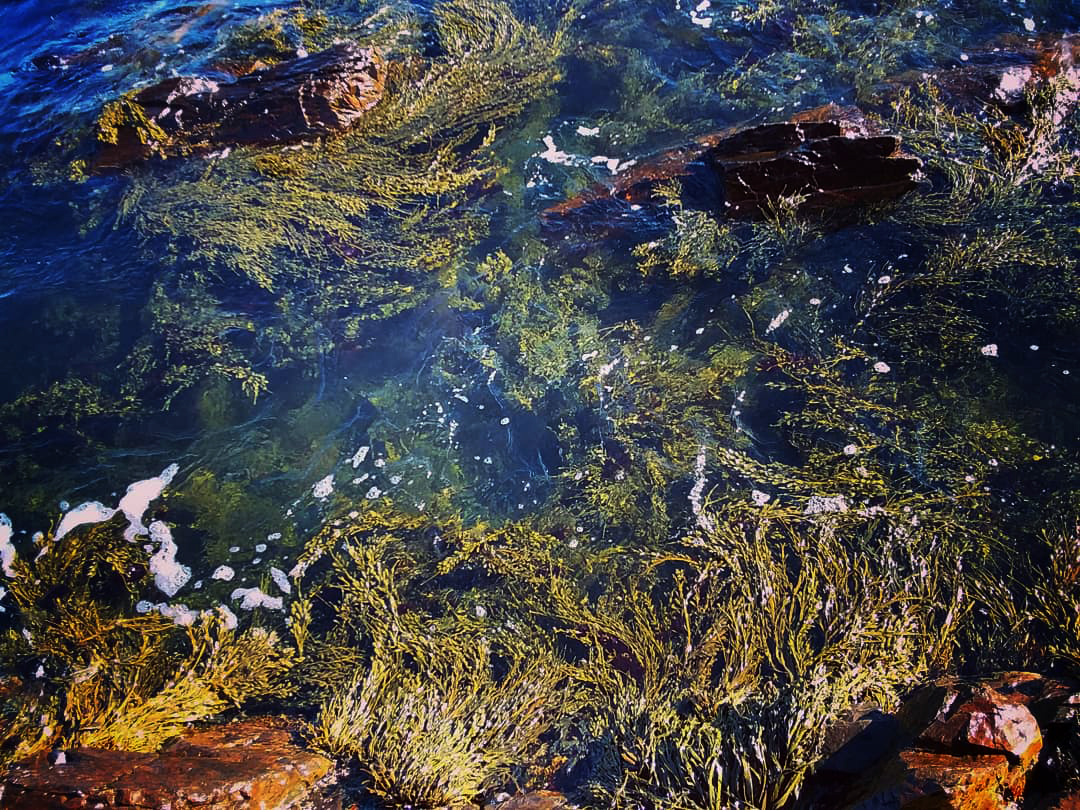
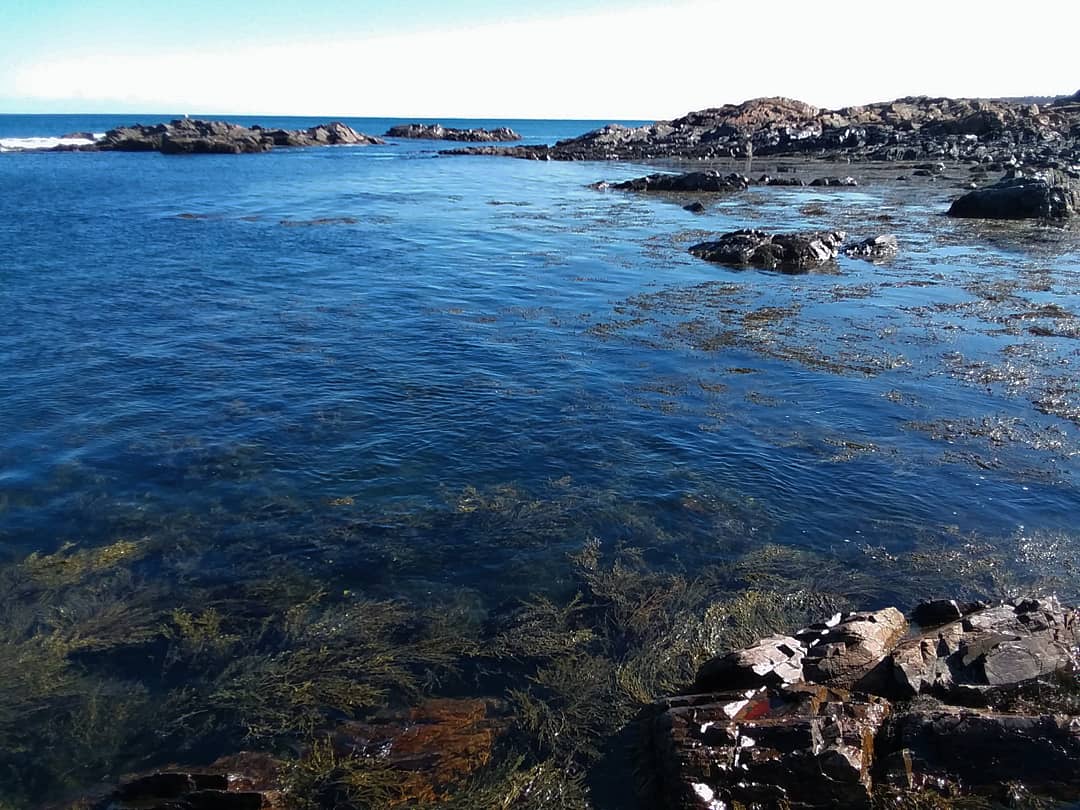
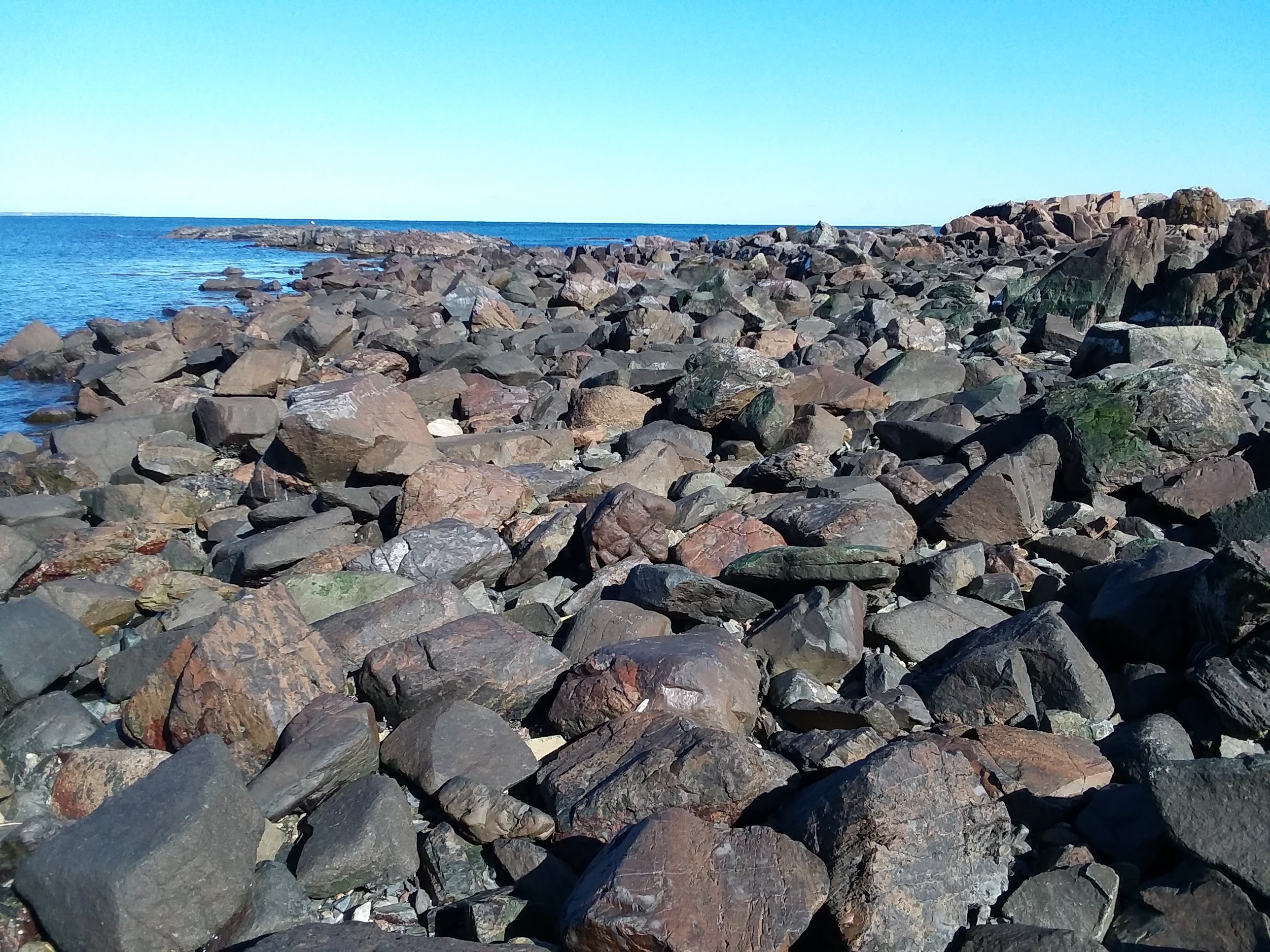

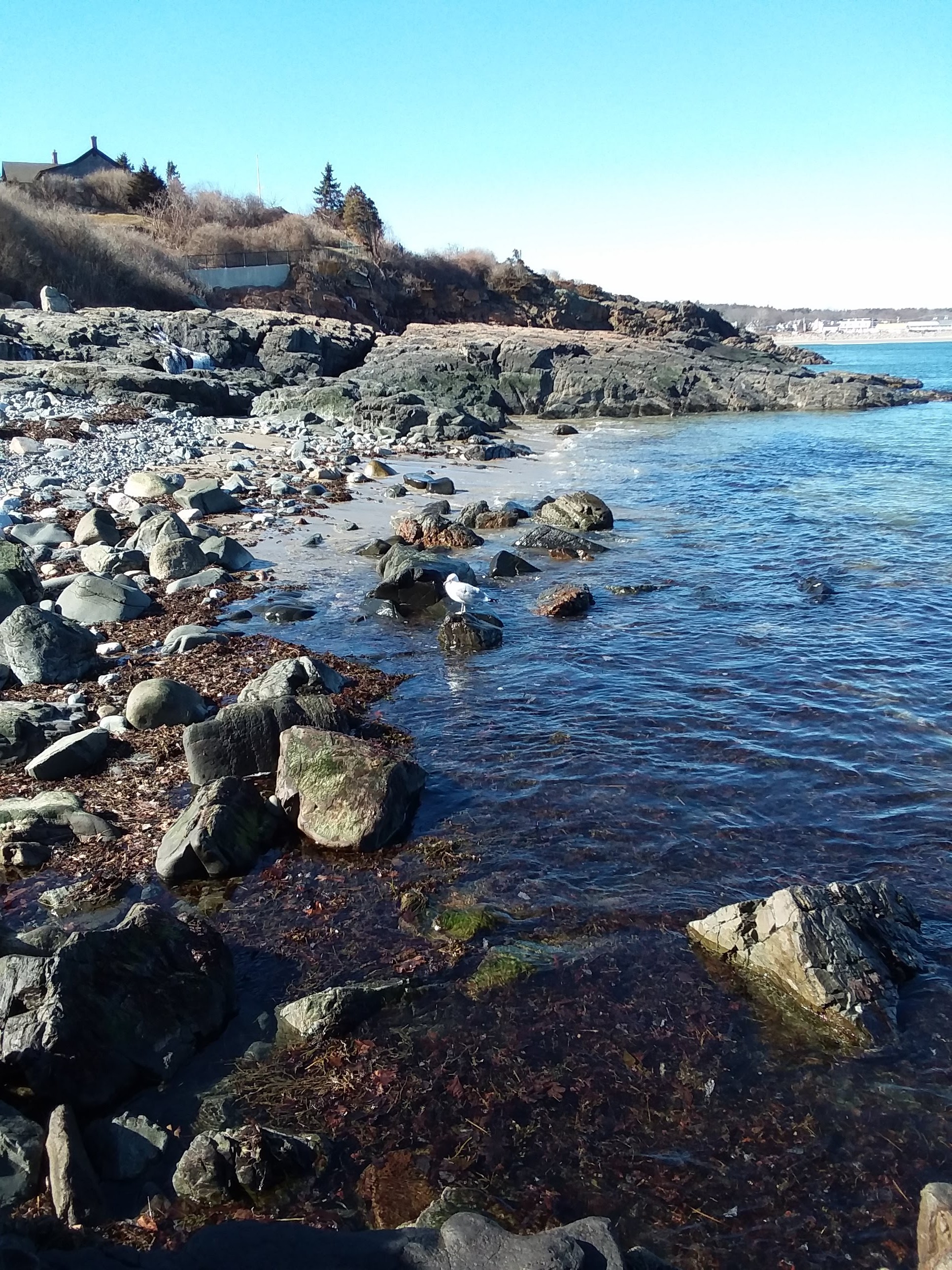
Wallis Sands, Rye, New Hampshire

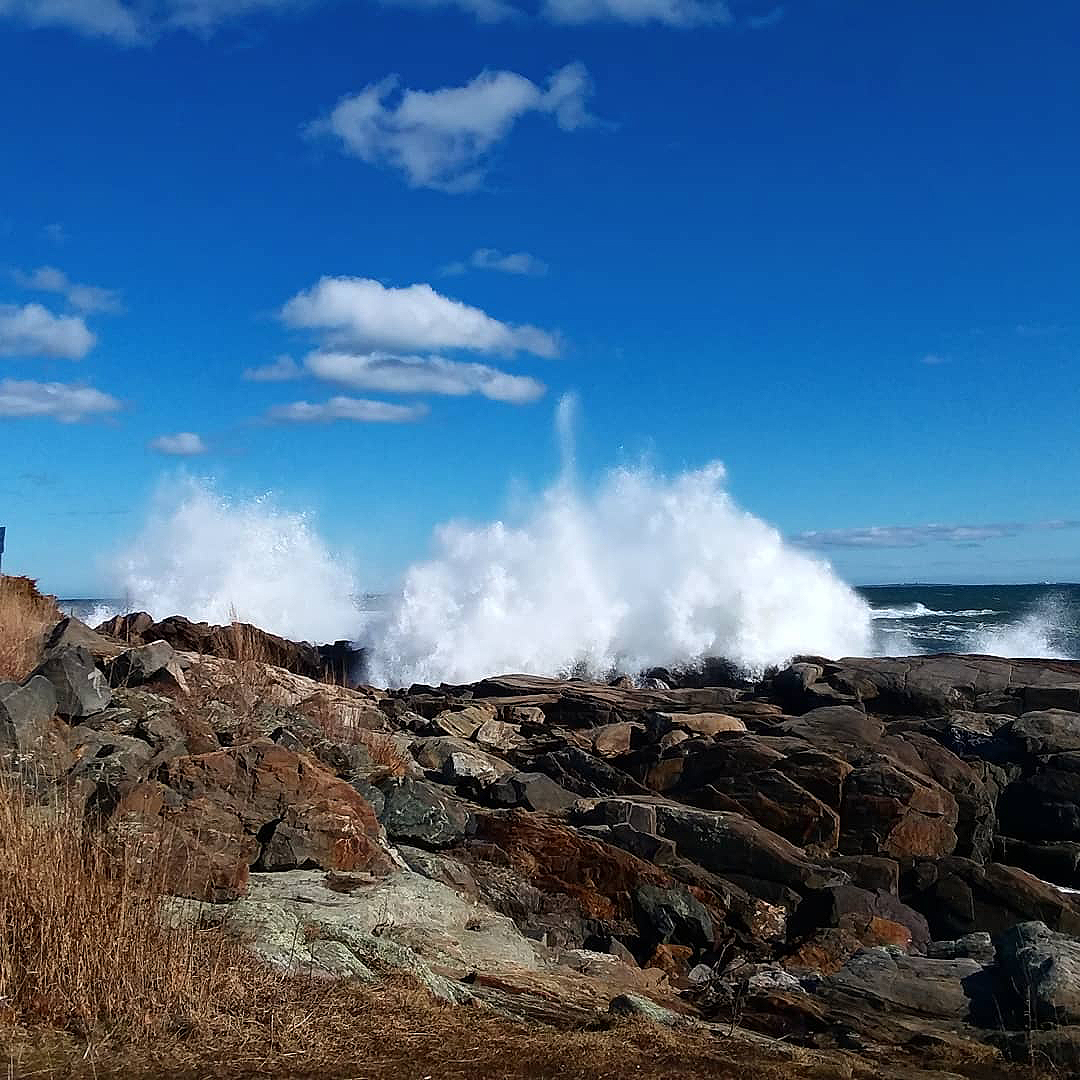

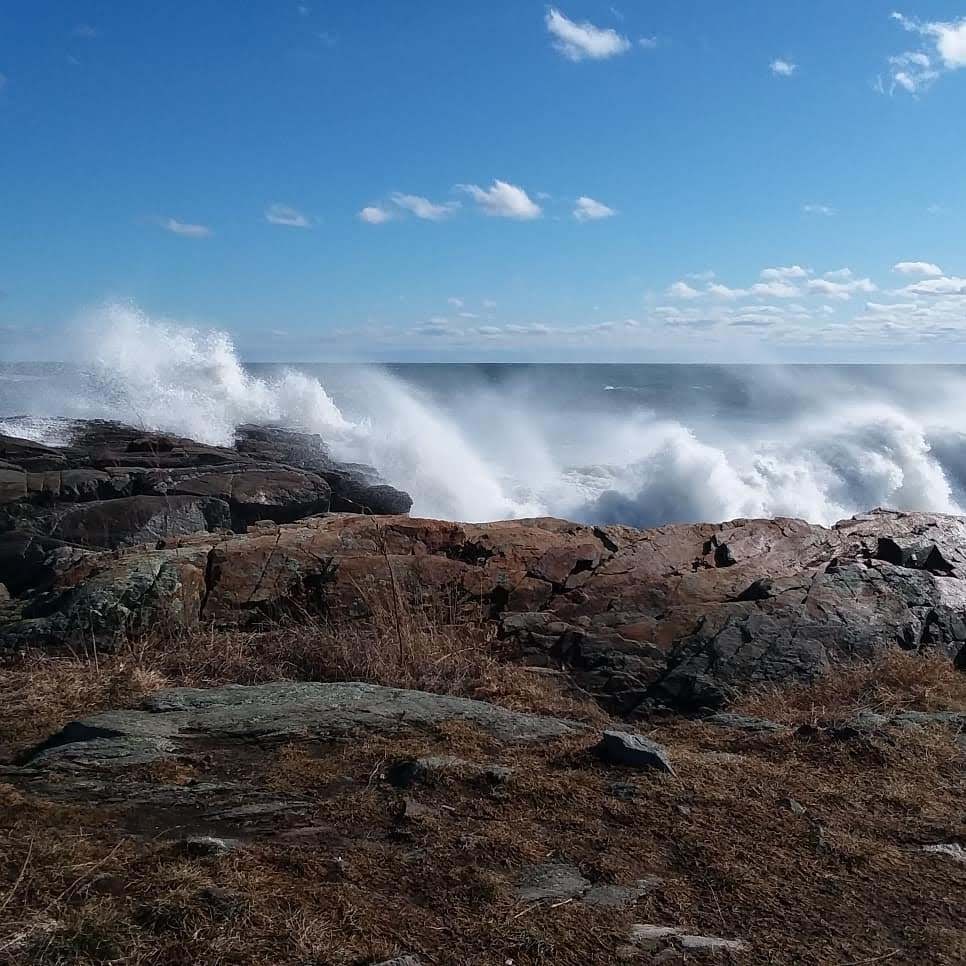

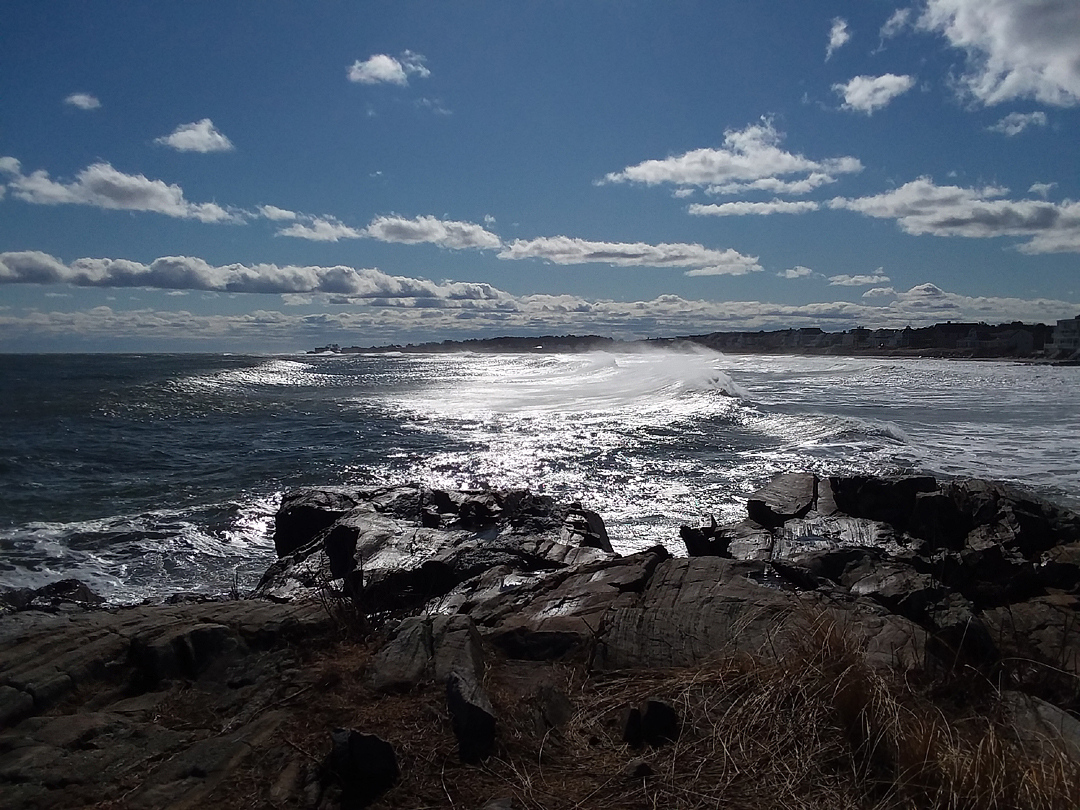
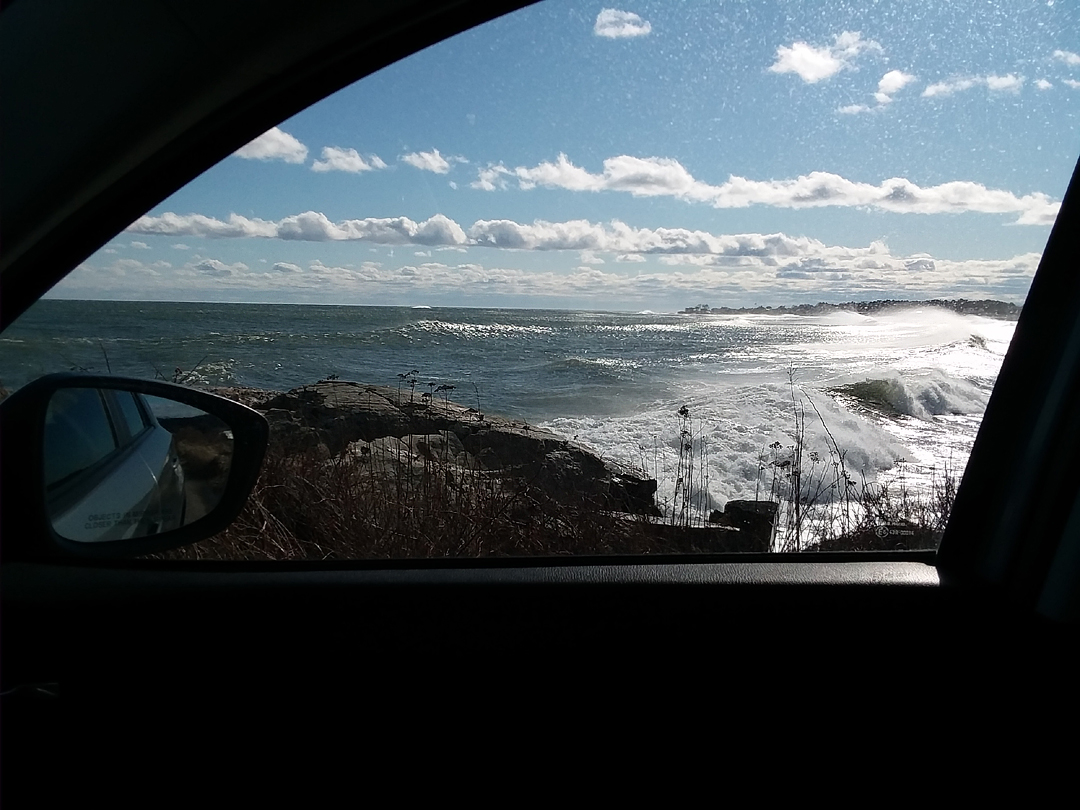
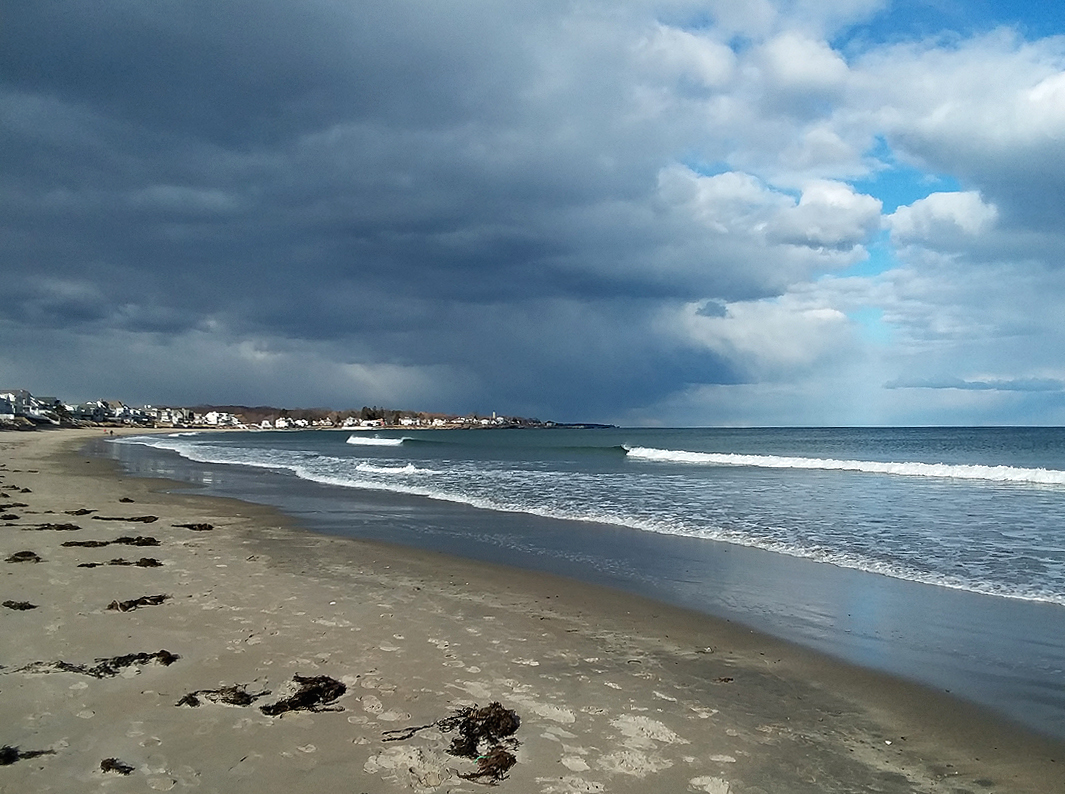
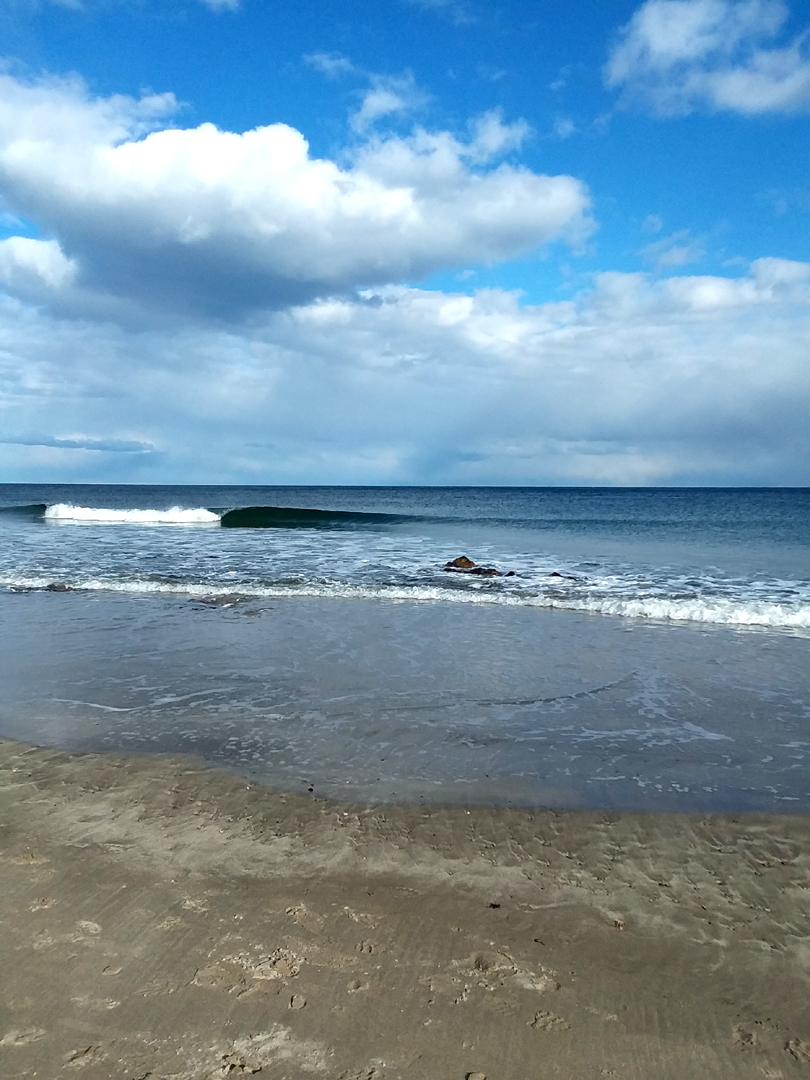
Wallis Sands the day after the storm.





The snow lantern or snölykta was made the day after a storm which left us about five inches of wet snow. The next day, being sunny and in the upper thirties, was perfect for making snowballs.
The first night was a little too windy so the candles kept going out. The following day I placed two tall candles in the igloo and lit them in the evening just as the sun was going down and it stayed alight well into the early morning hours.

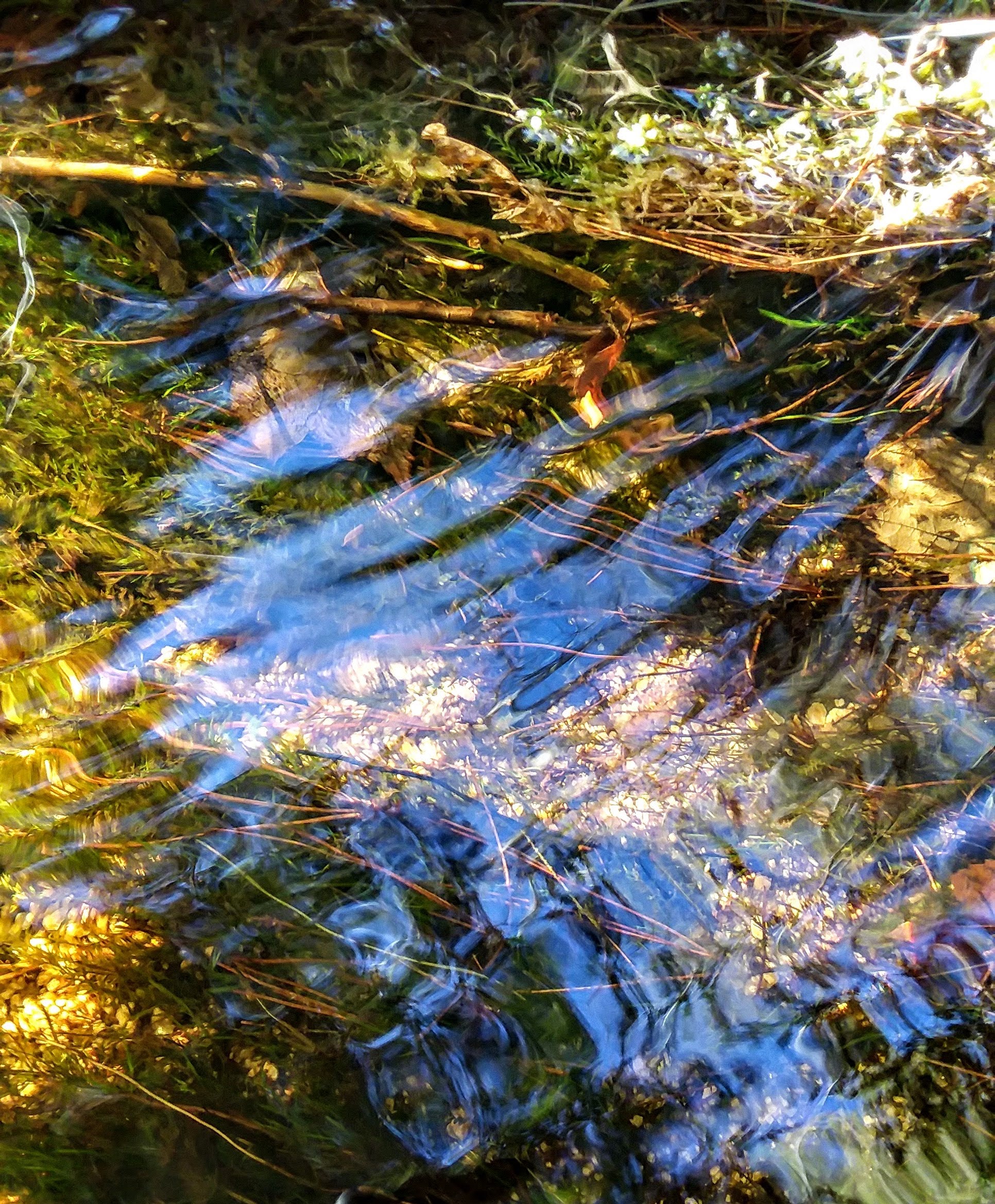
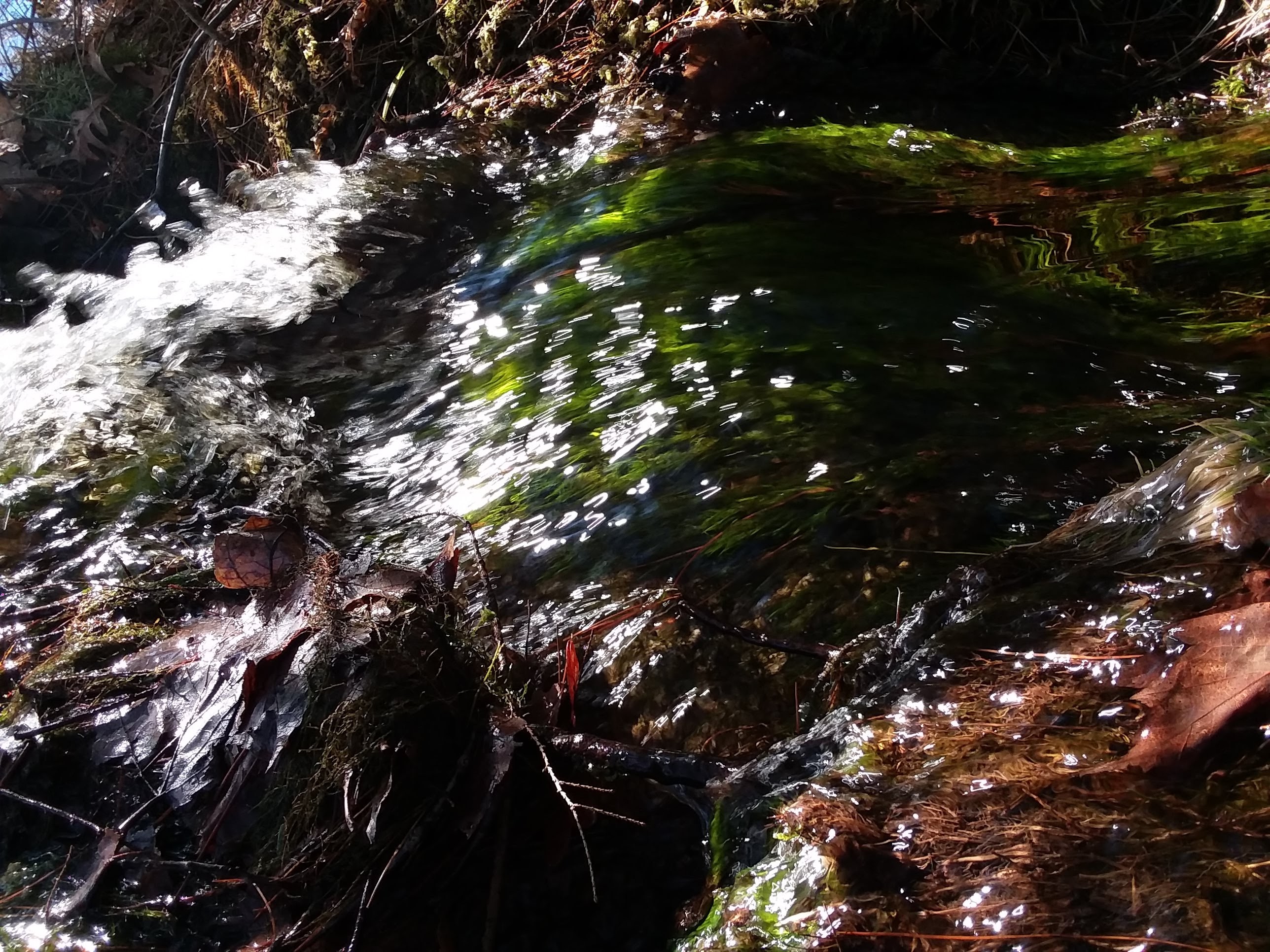







 channeling the abstract